
Travel with Antee: The Desert That Grows Grapes
Part Two | Turpan, Ancient Cities, Oasis Villages and Grapes
Under the fierce sun of Turpan, the most surprising color is green. Follow the water, and you find vineyards, orchards and thousands of years of Silk Road history.
Where: Turpan and Shanshan, eastern Xinjiang, China
Suggested length: 3–4 days
Best season: Late summer to early autumn for grapes; spring and autumn for gentler sightseeing temperatures
The story to follow: How people made desert life possible through irrigation, trade and agriculture
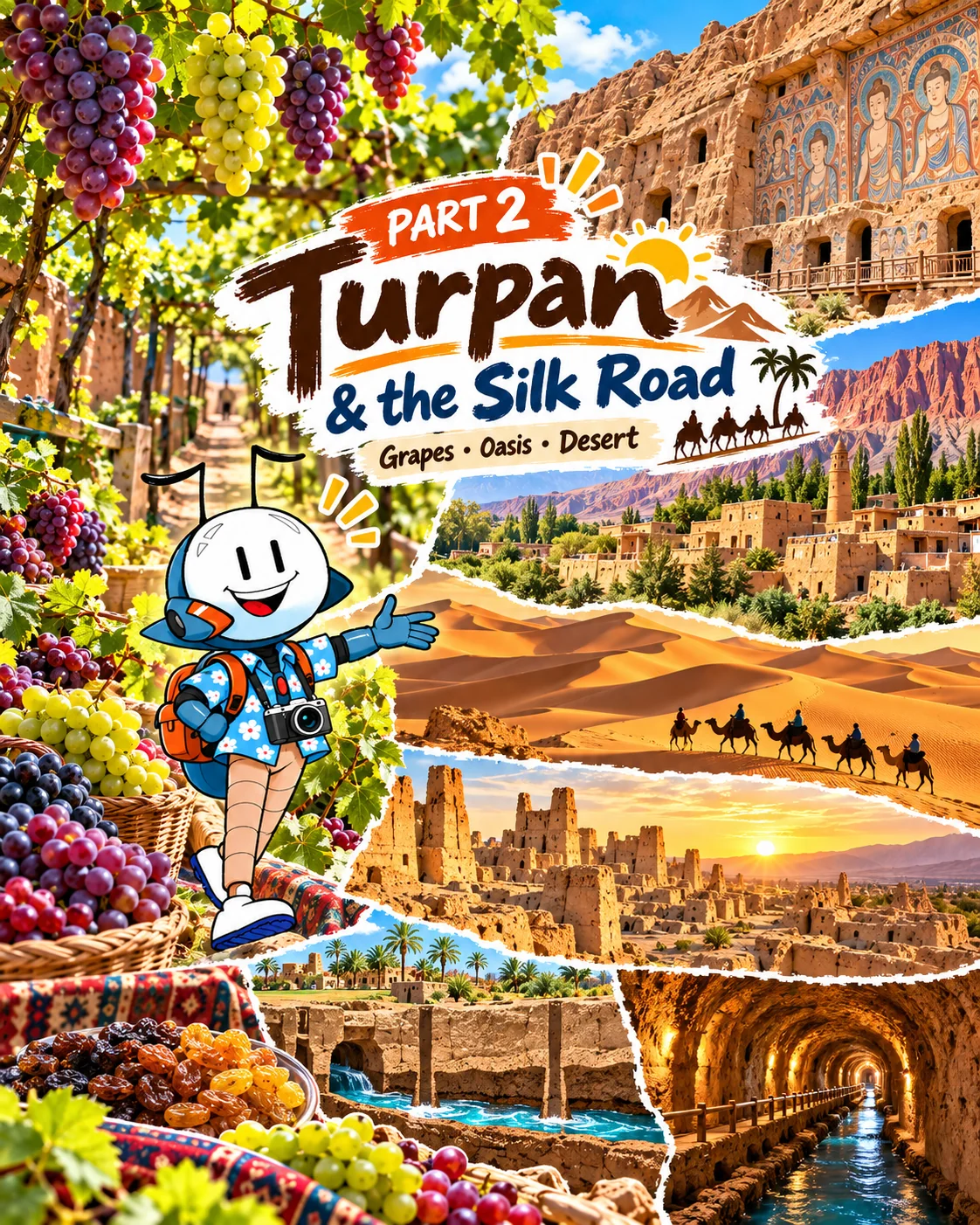
Antee steps from the shade into the sunshine and suddenly understands why the grapes are so sweet. Turpan is famous for a hot, dry climate, yet beneath its vines the air feels different. Leaves stir over long tables, fruit glows in the light, and a cup of tea buys time to ask the best travel question of all: how does an oasis grow in a desert?
The answer begins with mountains, groundwater, ingenious irrigation and people who learned to connect them. It continues through Buddhist grottoes, ancient cities and living villages. For Xinjiang’s regional cuisine beyond Turpan grapes, continue to Part Four: Flavors of the Silk Road.
Grape Valley: A Living Museum You Can Taste
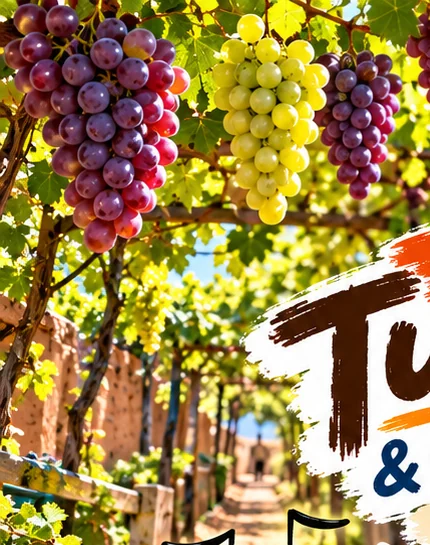
Grape Valley (葡萄沟) isn't a single vineyard. It is a long green oasis where trellises shade lanes and courtyards, and families have cultivated an extraordinary variety of grapes over generations. In the right season, bunches hang overhead in pale green, amber, purple and almost black.
Antee's Grape Tasting Passport
| Variety | Chinese name | What to notice |
|---|---|---|
| Seedless White | 无核白 | Small, sweet, pale green berries; especially associated with Turpan raisins |
| Mare's Milk Grape | 马奶子 / 马乳葡萄 | Larger elongated grapes, recognized by their distinctive shape |
| Muscat / Rose Fragrance | 玫瑰香 | Notice the floral scent and aromatic finish |
| Red grapes | 红葡萄 | Compare skin color, firmness and sweetness with green varieties |
| Black grapes | 黑葡萄 | Look for rich purple-black skins and fuller flavor |
| Suosuo grapes | 琐琐葡萄 | Tiny berries often mentioned among the area's heritage varieties; availability varies |
Vineyards grow different cultivars, and names used in markets may vary. Ask the grower what is actually in season.
Antee's science mission: Taste two grapes with different shapes, then sketch the difference between oval and round. Think about where grapes get their water.
Karez: The Engineering Beneath the Vineyard
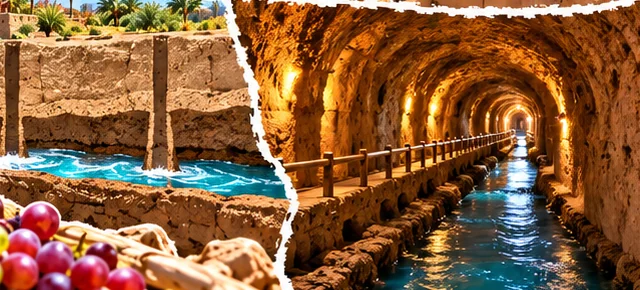
At a karez (坎儿井) irrigation site, the mystery deepens. A network of underground channels and wells historically collected and carried water through arid landscapes while limiting evaporation. Water management is a key part of Turpan's story and the broader Silk Road heritage landscape.
Instead of only memorizing a date, Antee asks: Why build a water channel underground in one of China's hottest places?
The answer lets families connect geography, engineering, agriculture and daily life in a single stop.
Jiaohe Ancient City: Walking Above the Past
Jiaohe (交河故城) sits on an elevated earthen plateau between river valleys. From a distance the ruins seem to rise from the same soil as the surrounding desert. Follow designated paths through the weathered remains of streets, courtyards and religious sites. Their shape tells us that this once was a complex, inhabited city rather than an abandoned film set.
Jiaohe is included in the transnational Silk Roads: Chang'an–Tianshan Corridor UNESCO World Heritage listing.
Best photo: Use a wide composition with the pale earthen city and darker valley beyond; warm low-angle light brings out the relief.
Bezeklik: Buddhist Stories in the Flaming Mountains
At the Bezeklik Thousand Buddha Caves (柏孜克里克千佛洞), cliff-side caves preserve fragments of a rich Buddhist artistic tradition that flourished along Silk Road routes. These paintings and religious spaces reflect centuries of exchanges among different peoples, beliefs and artistic practices. Some murals were removed or damaged in the past; what survives deserves special care.
Visitors should follow current rules about open caves, tour groups and photography. Never touch painted surfaces, and don't assume flashes or indoor photography are permitted.
Tuyuq Mazar Village: The Beauty of the Everyday
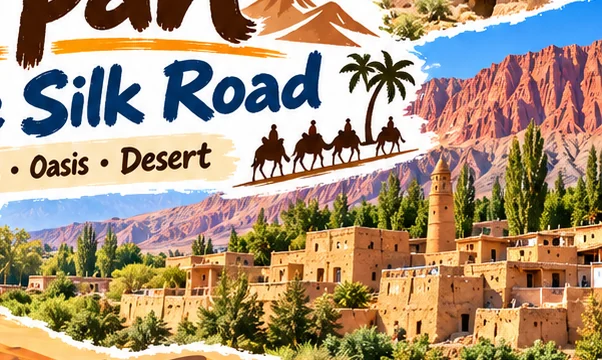
In the folds of the Flaming Mountains, Tuyuq Mazar Village (吐峪沟麻扎村) reveals earthen houses, narrow lanes and a living local community. This is also an area of religious significance, so the most meaningful visit is a patient one: admire the architecture, observe respectfully, and ask before photographing residents or sacred spaces.
Antee's mission: Find three ways the architecture helps people live with the heat: thick walls, shaded lanes, enclosed courtyards or small openings.
Kumtag Desert: Sand at the Edge of the City
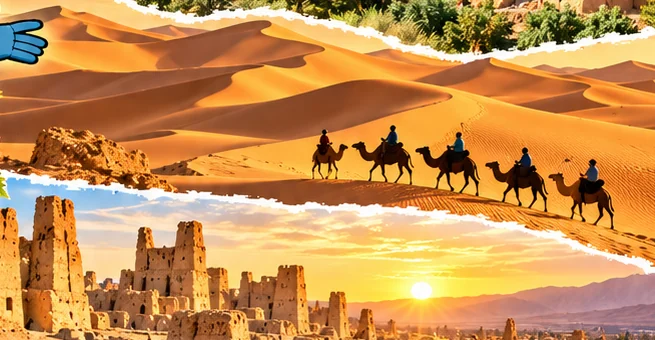
East of Turpan, near Shanshan (鄯善), the Kumtag Desert (库木塔格沙漠) brings rolling dunes close to the town's edge. Go early or late for softer light and cooler temperatures. Officially managed activities are safer than wandering into isolated dunes; bring water and follow local safety restrictions.
Best photo: A tiny Antee silhouette placed low in the frame emphasizes the scale of the dunes. Footprints create leading lines, but leave fragile areas undisturbed.
Where to Eat After Exploring the Oasis
A meal of hand-pulled noodles, baked samsa or freshly cooked pilaf is a wonderful reward after a day outdoors. We explore these foods, their regional variations and where to try them in Part Four: Flavors of the Silk Road.
Four Days With Antee
| Day | Main story | Highlights |
|---|---|---|
| 1 | The oasis | Grape Valley, grape tasting, drying houses, karez |
| 2 | The Silk Road city | Jiaohe Ancient City and a relaxed evening in the old town |
| 3 | Faith and village life | Bezeklik caves, Tuyuq Mazar Village, Flaming Mountains landscapes |
| 4 | Into the dunes | Shanshan and Kumtag Desert, ideally avoiding peak midday heat |
Travel wisely: Turpan summer heat can be intense. Begin outdoor visits early, take a long midday break, and keep water on hand. Treat agricultural courtyards and religious spaces as lived-in places, not open-air sets.
Closing scene: Antee picks up two raisins. Both began as grapes; one is golden, the other dark. A tiny difference in a hand, and suddenly the oasis has become a story about climate, ingenuity and a very long history of growing things.
Travel with Antee | Cre8Travel · Xinjiang Series, Part Two