BITE 01 OF 06
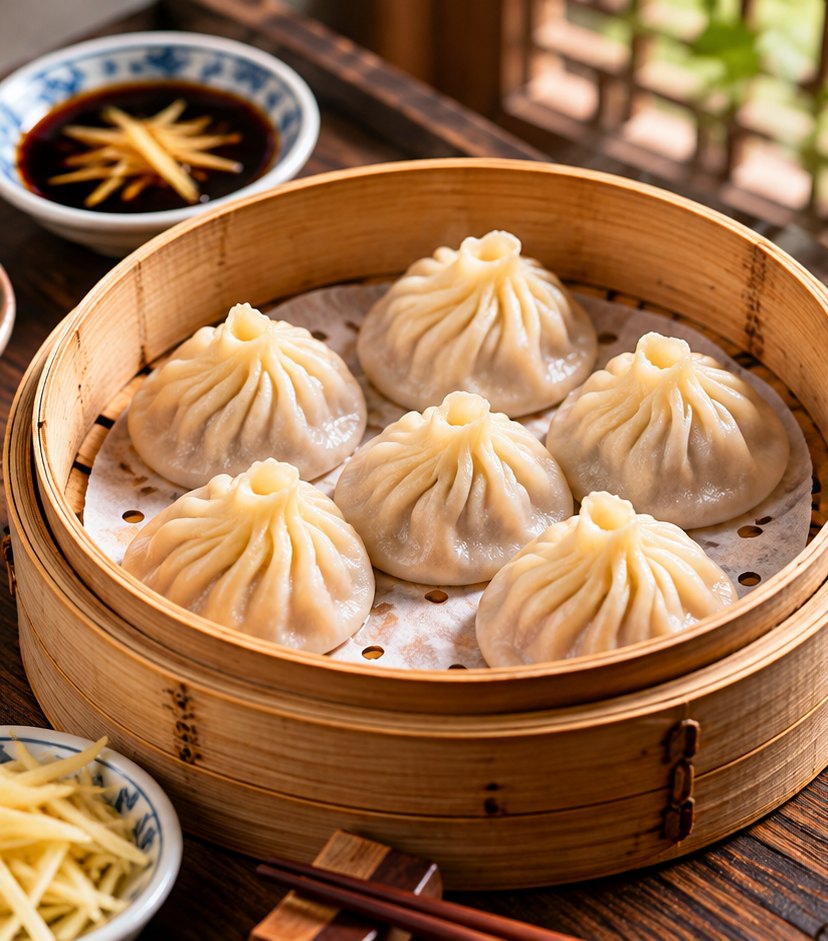
Soup Dumplings
小笼包
Steamed · Juicy
A fragile little parcel with hot savory broth hiding inside. Let it cool, lift it with a spoon, and discover the surprise carefully.
 Travel with Antee · Shanghai
Cre8Travel · Travel with Antee · China City Stories
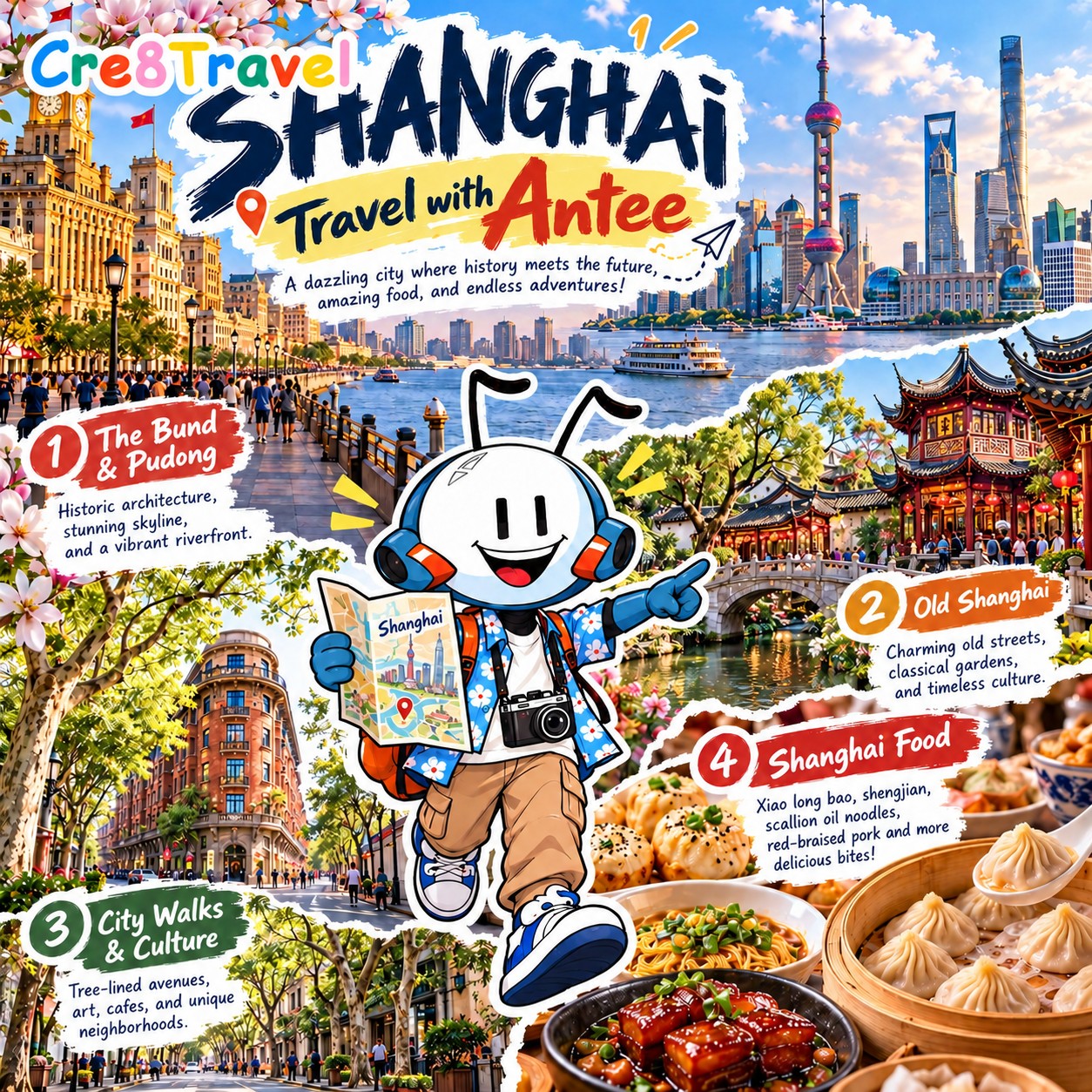
A photo-rich family adventure along the Bund, through old gardens and leafy streets, and straight into Shanghai’s delicious food culture.
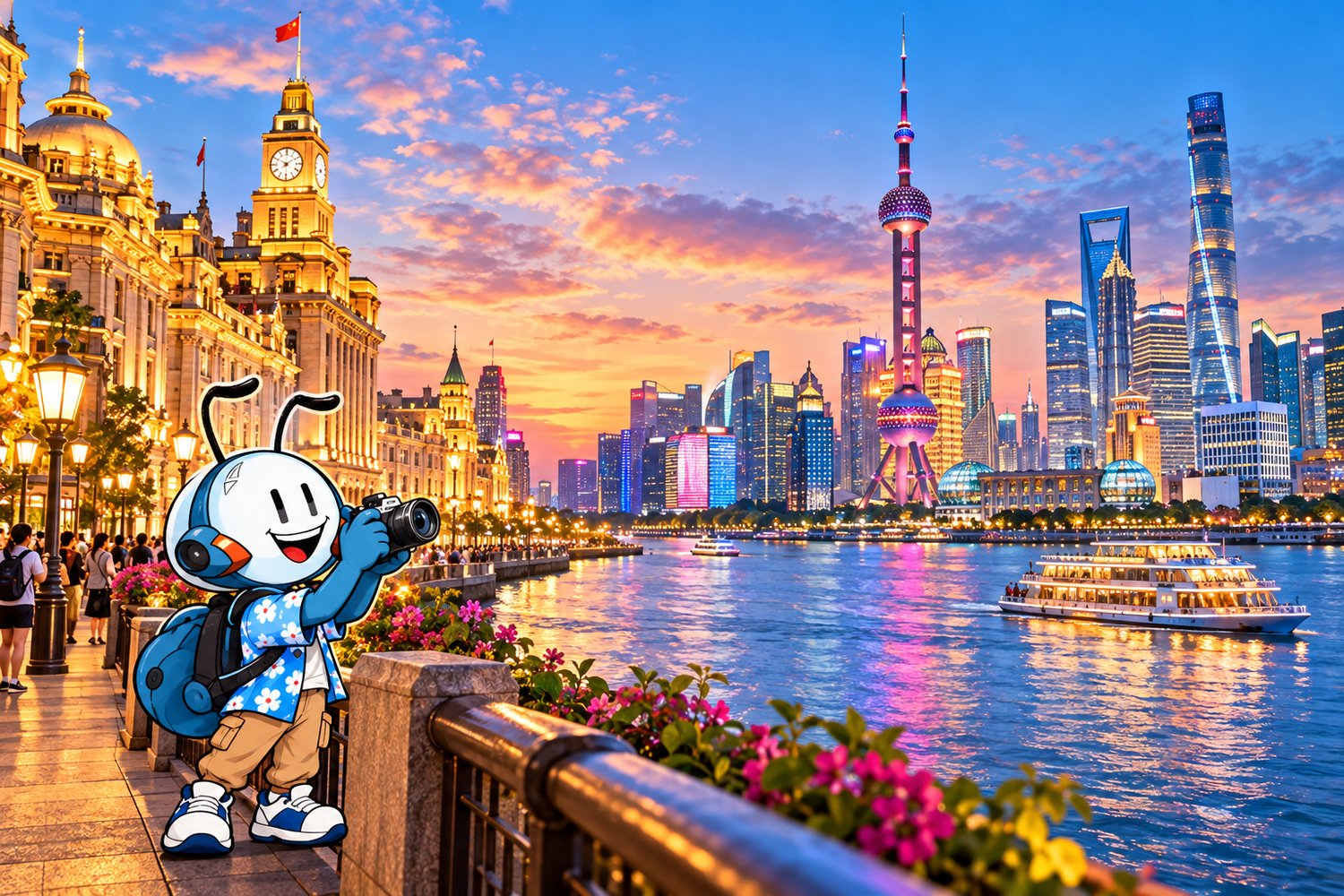
Shanghai tells its story from two riverbanks. Stand on the Bund and you can see stately buildings with stone columns and clocks behind you. Look across the Huangpu River and the space-age silhouette of Pudong fills the horizon. A ferry moves between them, carrying the city's daily life from one chapter to the next.
For Antee, that contrast makes Shanghai a city-sized treasure hunt. One moment, you're tracing the details of an old facade. The next, you're counting the glowing spheres on the Oriental Pearl Tower. And somewhere between the old and new, there's almost always something delicious to eat.
Begin at the Bund (外滩), the riverfront promenade that gives Shanghai one of the world's most recognizable urban views. The waterfront's collection of early twentieth-century commercial buildings reflects Shanghai's history as an international trading port. Across the river, Lujiazui (陆家嘴) rises in glass, steel, and daring shapes.
Look for the Oriental Pearl Tower (东方明珠) with its colorful spheres, the soaring Shanghai Tower (上海中心大厦), and the angular opening near the top of the Shanghai World Financial Center (上海环球金融中心). Kids love noticing how completely different the buildings look.
In the evening, watch the city lights shimmer over the Huangpu River. A river cruise offers the broadest panorama, but the waterfront walk itself is wonderful and free. For a smaller-scale adventure, take a public ferry when it is operating on your chosen route and enjoy the view with local commuters.
Antee's mission: Spot a clock, a dome, and a skyscraper shaped unlike any other building. Which one would you use as a spaceship?
Photo moment: The Bund at blue hour, with the historic facades to one side and the illuminated Pudong skyline across the water.
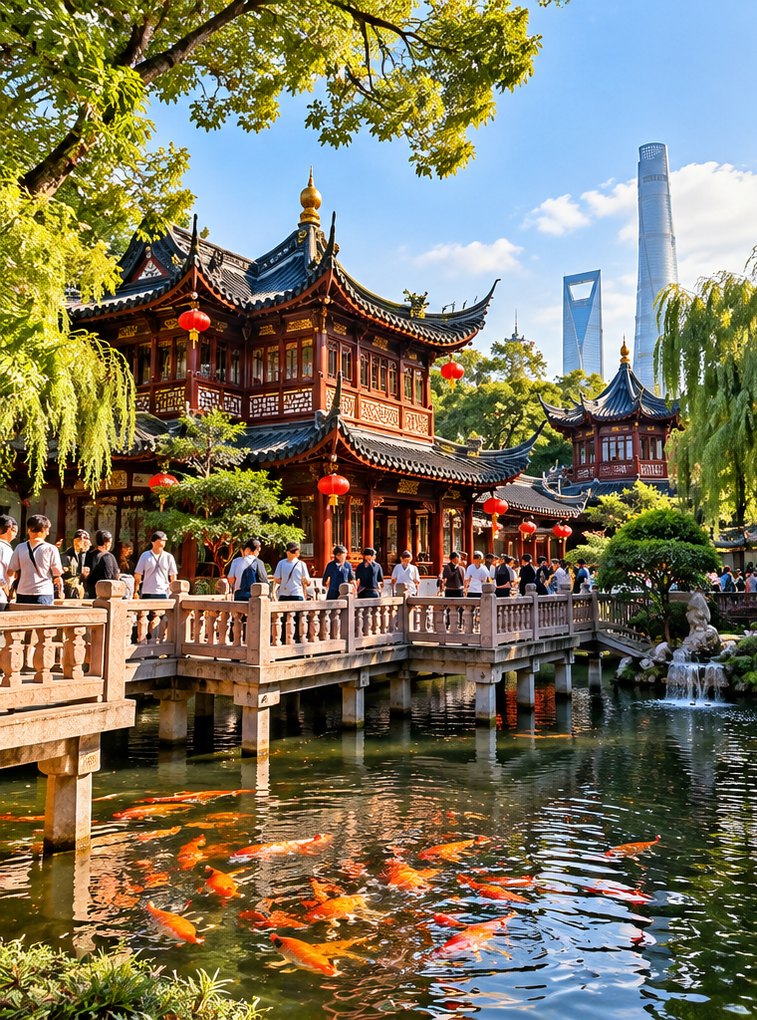
Leave the towers behind and head for Yu Garden (豫园), a classical garden dating to the Ming dynasty. Inside are ornamental rockeries, delicate corridors, ponds, bridges, and richly decorated roofs. The surrounding Yuyuan Bazaar (豫园商城) is a lively commercial area with traditional-style architecture, shopping, and snacks. The historic garden and the bustling bazaar are different experiences, so allow time for both.
A stone bridge becomes an opportunity to watch the koi. A carved window frames a miniature painting of trees and water. Look at the corners of roofs, where animal and figure decorations turn architecture into storytelling.
Nearby streets are full of things to taste, browse, and photograph. The area can be extremely busy at weekends and holidays; arriving early improves the experience.
Antee's mission: Find a dragon motif, a zigzag bridge, and three different shapes of carved windows.
Photo moment: Frame a traditional roof above the pond, or capture the playful reflection of lanterns after dark.
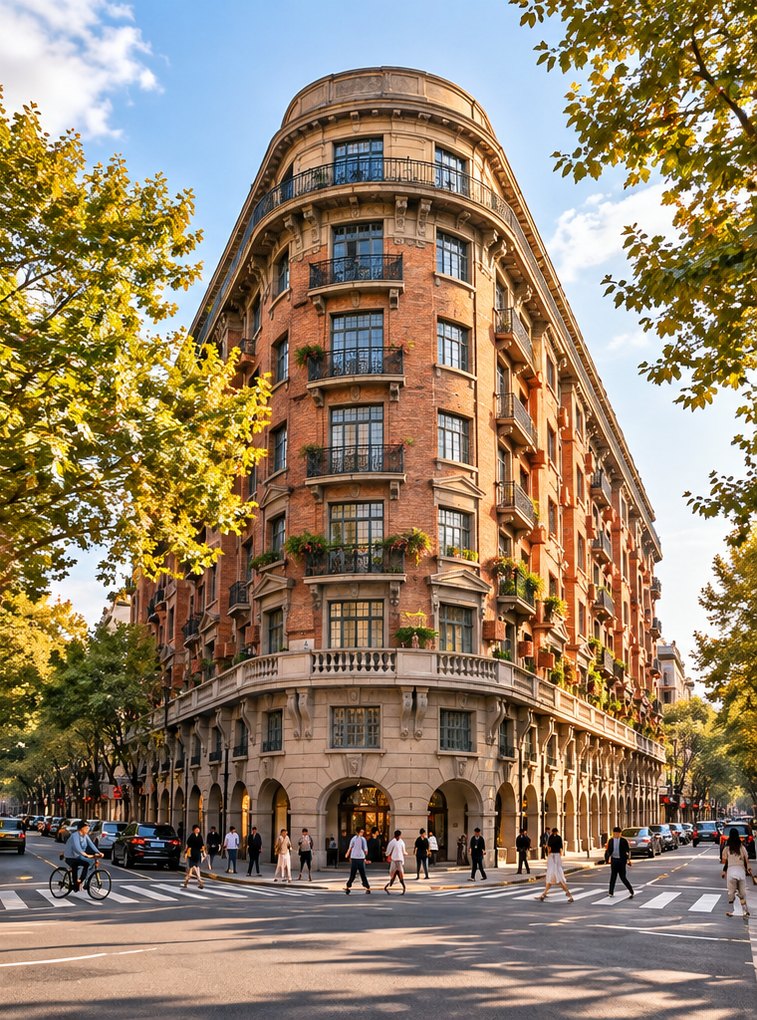
Shanghai rewards travelers who slow down. Wukang Road (武康路) and neighboring Anfu Road (安福路) are famous for leafy plane trees, handsome historic residences, bookshops, boutiques, and neighborhood cafés. At the intersection of Wukang Road and Huaihai Middle Road stands the distinctive wedge-shaped Wukang Building (武康大楼). Its prow-like form makes an unforgettable geometry lesson for young photographers.
The city also preserves examples of shikumen (石库门), a form of Shanghai residential architecture recognizable by stone-framed entrances and lane-house patterns. Xintiandi (新天地) offers a polished reuse of some of that architectural vocabulary, while Tianzifang (田子坊) is an atmospheric network of small lanes with independent shops and studios. They are different spaces, and both reveal how Shanghai keeps reinterpreting its past.
For a rainy day, consider Shanghai Museum East (上海博物馆东馆), with collections spanning bronzes, ceramics, sculpture, and other Chinese arts. For a longer stay, the canals and bridges of Zhujiajiao Water Town (朱家角古镇) make a pleasant day trip outside the city center.
Antee's mission: Look for one building detail that feels old and one that feels unmistakably modern. Can you photograph them in the same frame?
Photo moment: Wukang Building from a safe pedestrian position, or early-morning street scenes beneath the plane-tree canopy.
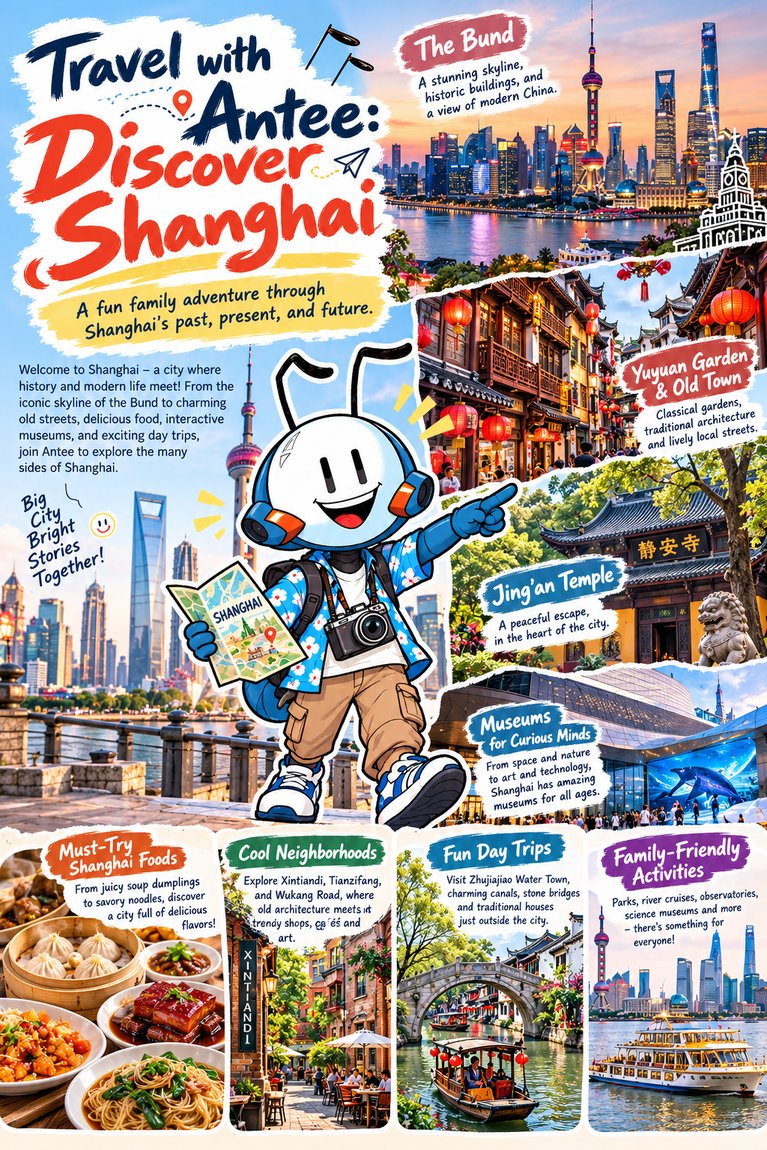
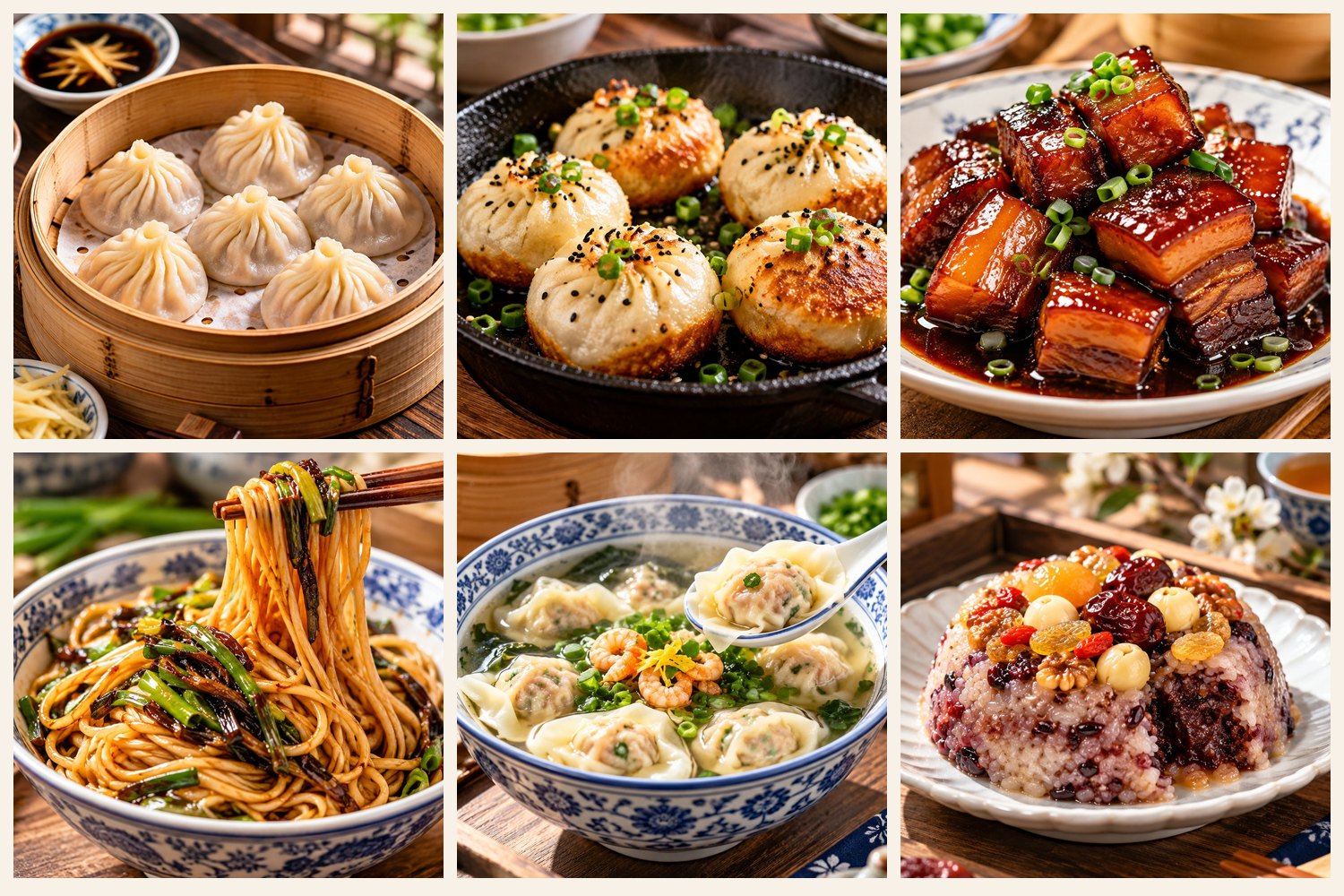
Shanghai's everyday cooking rewards curiosity. Some local dishes are shiny with soy-based sauces; others are all about crisp bottoms, soft wrappers, clear broth, or the aroma of scallions slowly cooked in oil. These are six favorites to begin with, plus a few extra discoveries for adventurous eaters.
Start with xiaolongbao (小笼包), the delicate steamed dumplings that hide hot broth inside. Lift one onto a spoon, let it cool slightly, and take care when you bite. Compare it with shengjianbao (生煎包), a thicker, pan-fried bun with a beautifully crisp underside.
For a sit-down meal, try glossy red-braised pork (红烧肉), rich and gently sweet-salty, and scallion-oil noodles (葱油拌面), whose appeal comes from fragrant oil and soy rather than complicated toppings. A bowl of Shanghai-style wonton soup (馄饨) is a comforting alternative, and eight-treasure rice (八宝饭), a sticky-rice dessert decorated with nuts, fruit, and sweet fillings, makes a festive final bite.
Other discoveries worth seeking out include sweet-and-sour spareribs (糖醋小排), four-joy braised wheat gluten (四喜烤麸), and, in its season, Shanghai's celebrated freshwater crab dishes. Many foods contain wheat, soy, pork, shellfish, sesame, or nuts, so ask about ingredients when eating with children or anyone with allergies.
Antee's food mission: Try one steamed bite, one pan-fried bite, and one noodle or rice dish. Give each a texture score from 1 to 5!
Steamed · Juicy
A fragile little parcel with hot savory broth hiding inside. Let it cool, lift it with a spoon, and discover the surprise carefully.
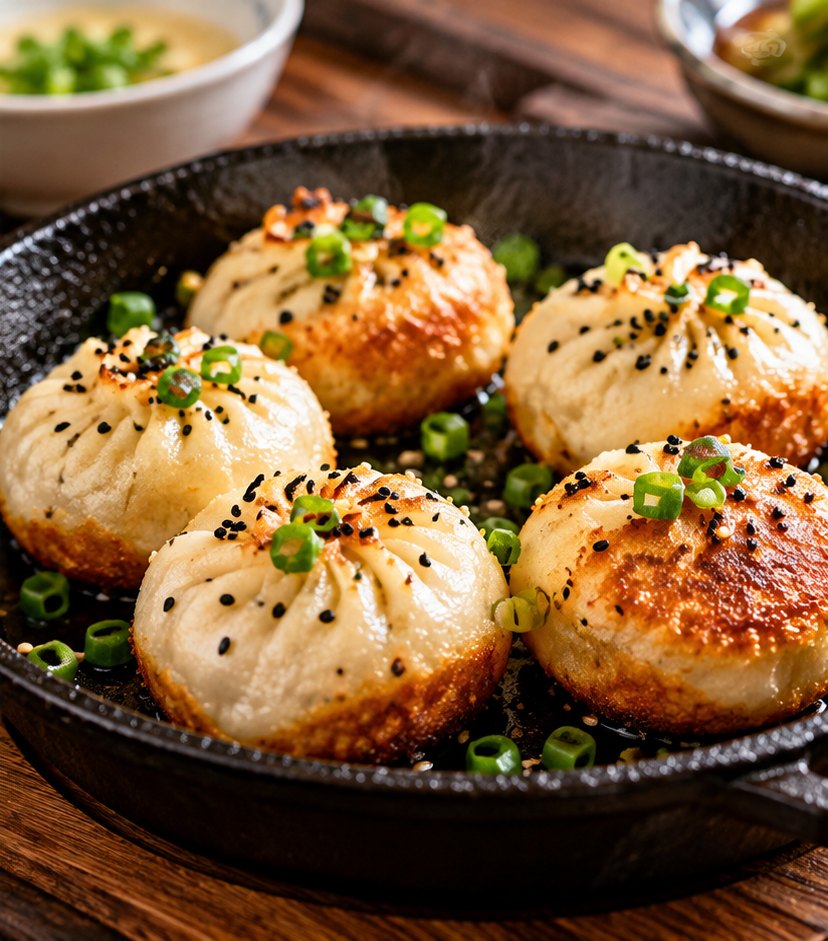
Crispy · Fluffy
Golden and crunchy underneath, soft and juicy on top. A famous Shanghai breakfast and snack worth sharing.
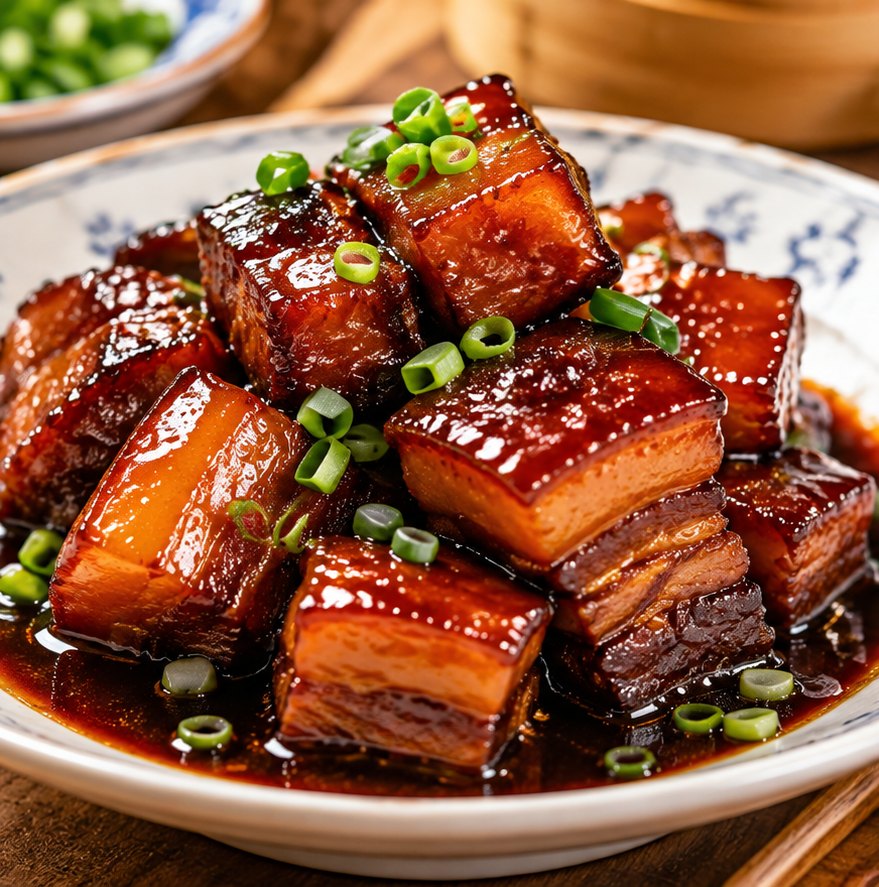
Glossy · Rich
Tender pork belly slowly cooked with soy, sugar, and aromatics until the sauce turns deep and shiny.
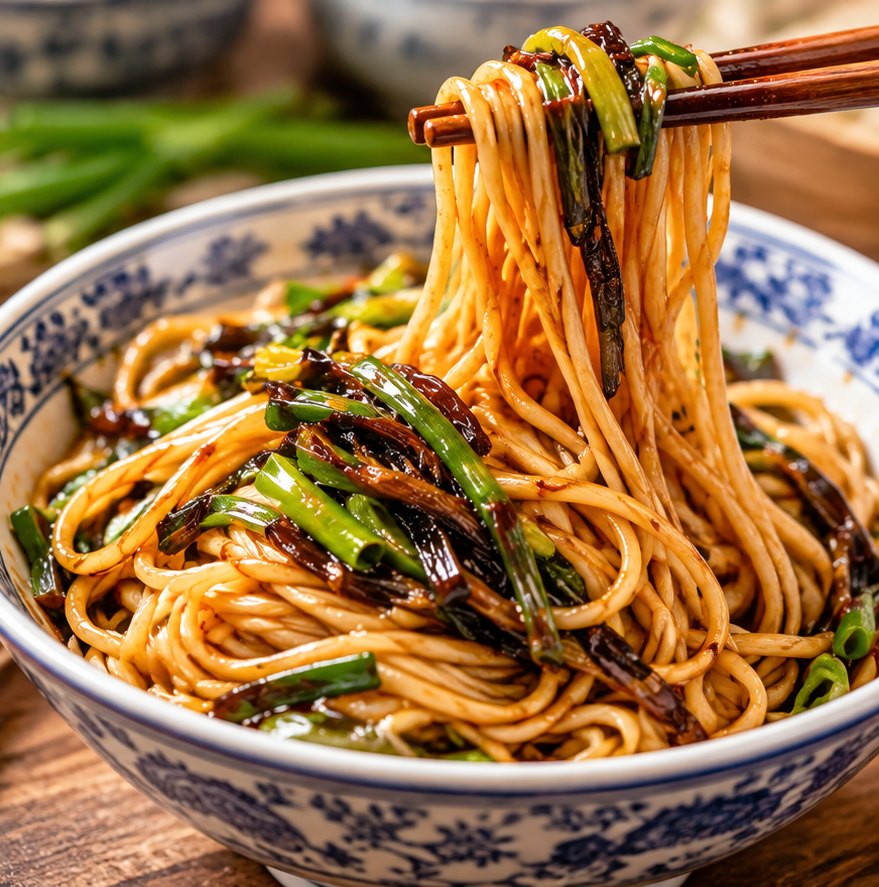
Fragrant · Savory
A humble bowl transformed by fried scallions, soy sauce, and noodles that catch every drop of flavor.
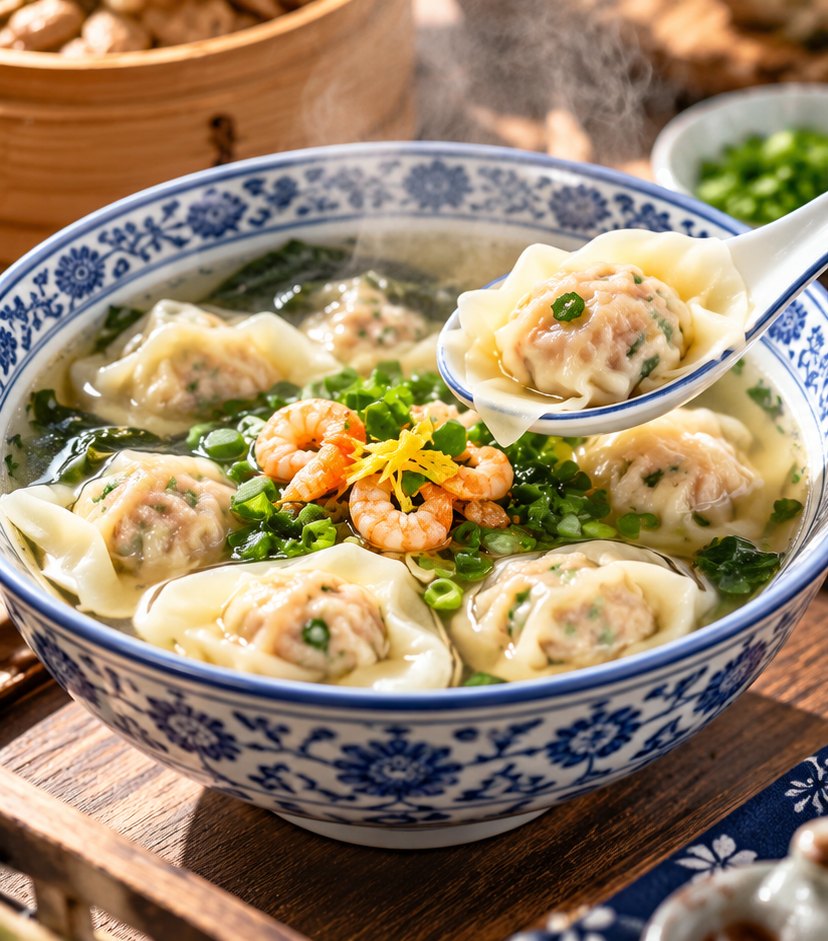
Warm · Comforting
Tender filled wrappers drift in hot broth. A gentle and inviting option after a long city walk.
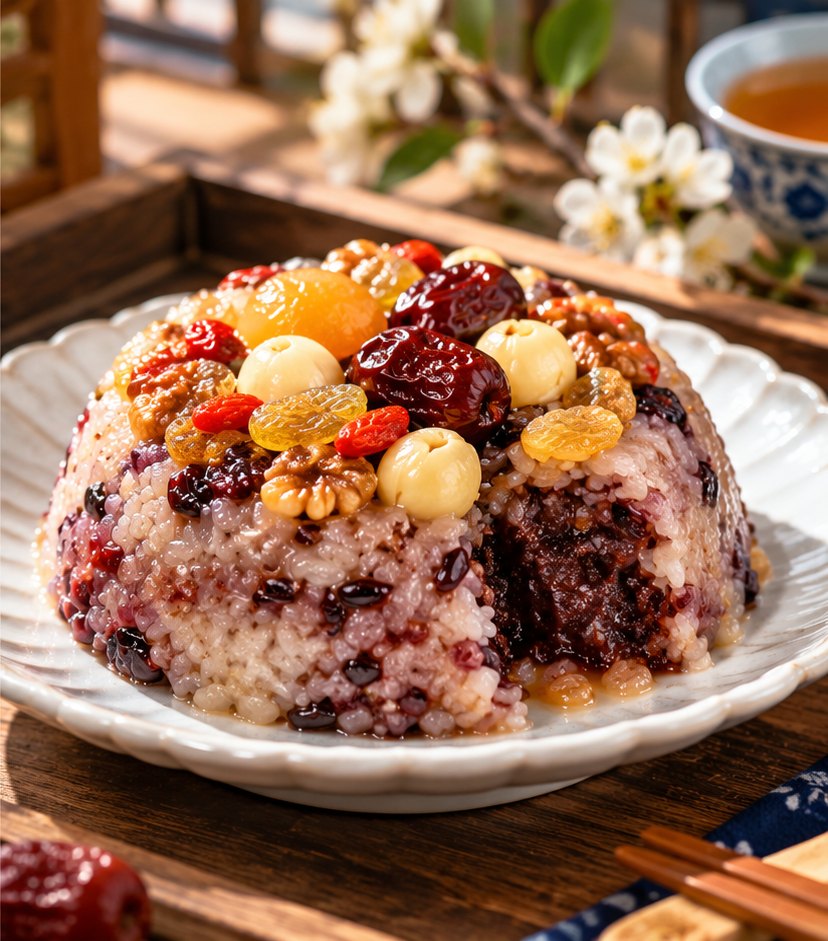
Sweet · Festive
Glutinous rice becomes dessert with sweet filling, nuts, seeds, and colorful preserved fruits.
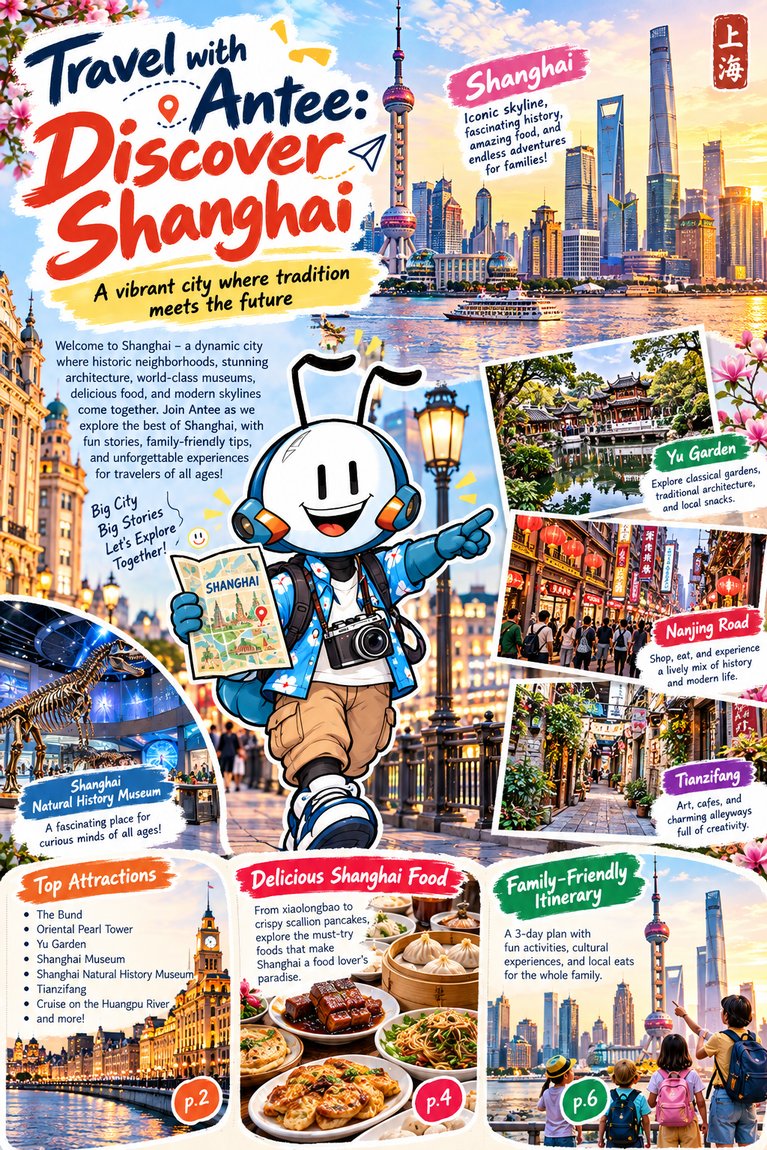
Day 1: The two riverbanks. Walk along the Bund, explore nearby historic architecture, cross to Lujiazui for a skyline view, and return to the waterfront for evening lights. Make soup dumplings your first food mission.
Day 2: Gardens and local flavors. Visit Yu Garden and the surrounding bazaar in the morning, take a break for dumplings and tea, then explore a museum or nearby city streets. Enjoy red-braised pork and a sweet dessert for dinner.
Day 3: Neighborhood culture. Walk Wukang Road and Anfu Road, photograph the Wukang Building, then explore Xintiandi or Tianzifang. Leave time for scallion-oil noodles and shengjian buns.
Have a fourth day? Choose a slow water-town trip to Zhujiajiao or spend more time at Shanghai Museum East. Families especially interested in theme parks can plan a separate day at Shanghai Disney Resort.
Spring and autumn are particularly pleasant for walking. Summers are humid and hot, while winter is often cool and damp. Shanghai is a major city and popular sights can be crowded on public holidays.
Use the metro for longer trips and walk through individual neighborhoods. Plan Bund and Pudong together, because the Huangpu River runs between them. Leave generous time for Yu Garden when it is busy, and check current opening hours and ticketing for paid attractions.
Many restaurant menus and transport apps work well with a phone-based translation tool. Keep younger children close along crowded promenades and be careful with hot dumpling soup.
Antee's final discovery: Shanghai isn't a choice between old and new. It's the place where both meet, often on the same street and sometimes at the same table.