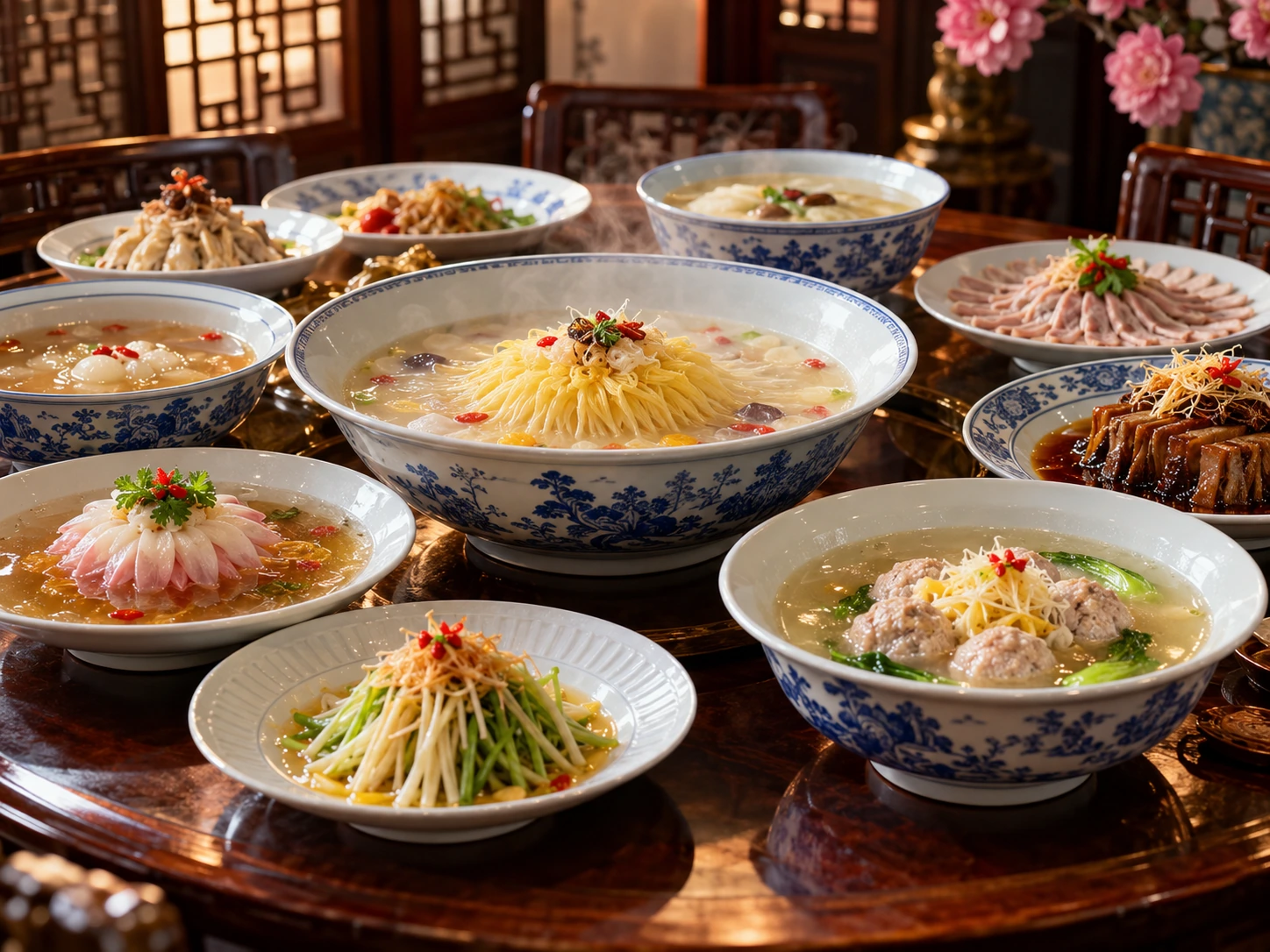
Luoyang Water Banquet (洛阳水席)
A distinctive multi-course banquet tradition built around a sequence of soup-rich dishes. It is an experience to share, not a single bowl of food.
Featured local dish.
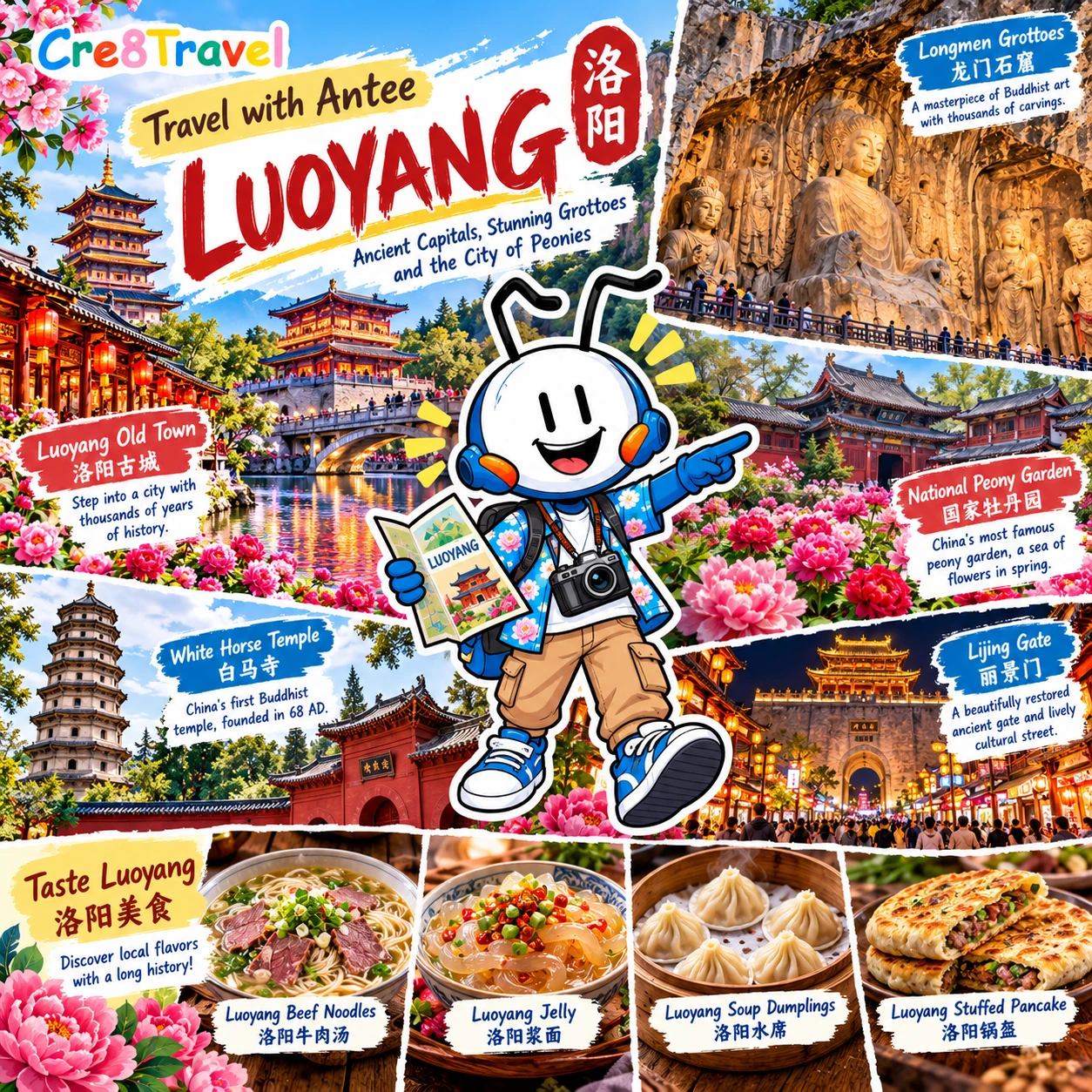
Ancient capitals, Buddhist stone art, spring peonies, and the flavors of a city shaped by a thousand stories.
Luoyang rewards travelers who come for more than a checklist. In one day, Antee can follow the carved faces of the Longmen Grottoes; in another, walk through imperial history, temple courtyards, lantern-lit streets, and a table filled with soup-rich local dishes. Plan on three or four days to enjoy its layers at an easy family pace.
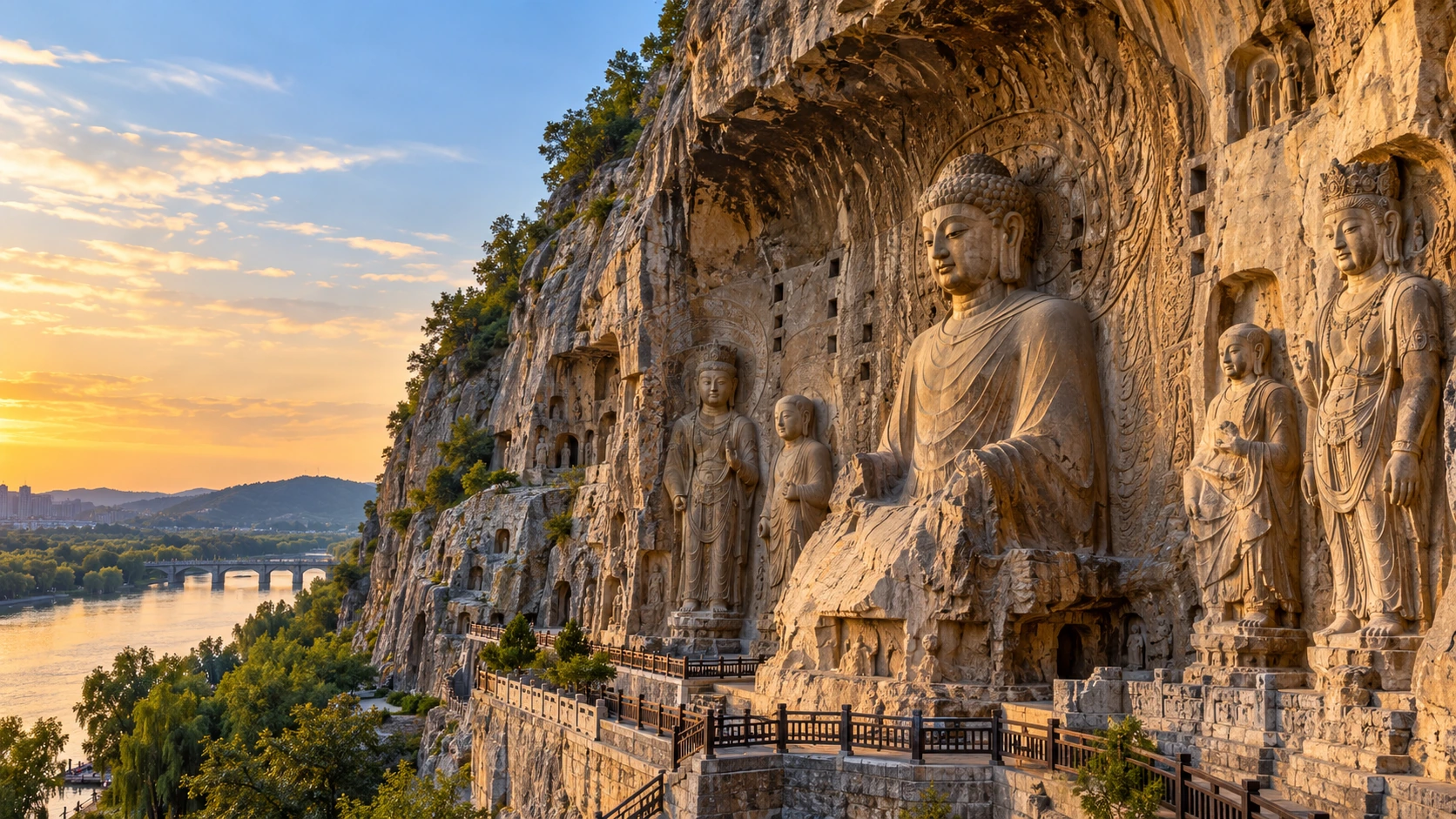
Longmen is Luoyang’s extraordinary meeting point of landscape, devotion, and art. Limestone cliffs rising beside the Yi River contain thousands of Buddhist carvings made across centuries, especially during the Northern Wei and Tang periods. At Fengxian Temple, the monumental Vairocana Buddha creates a moment of silence even among crowds.
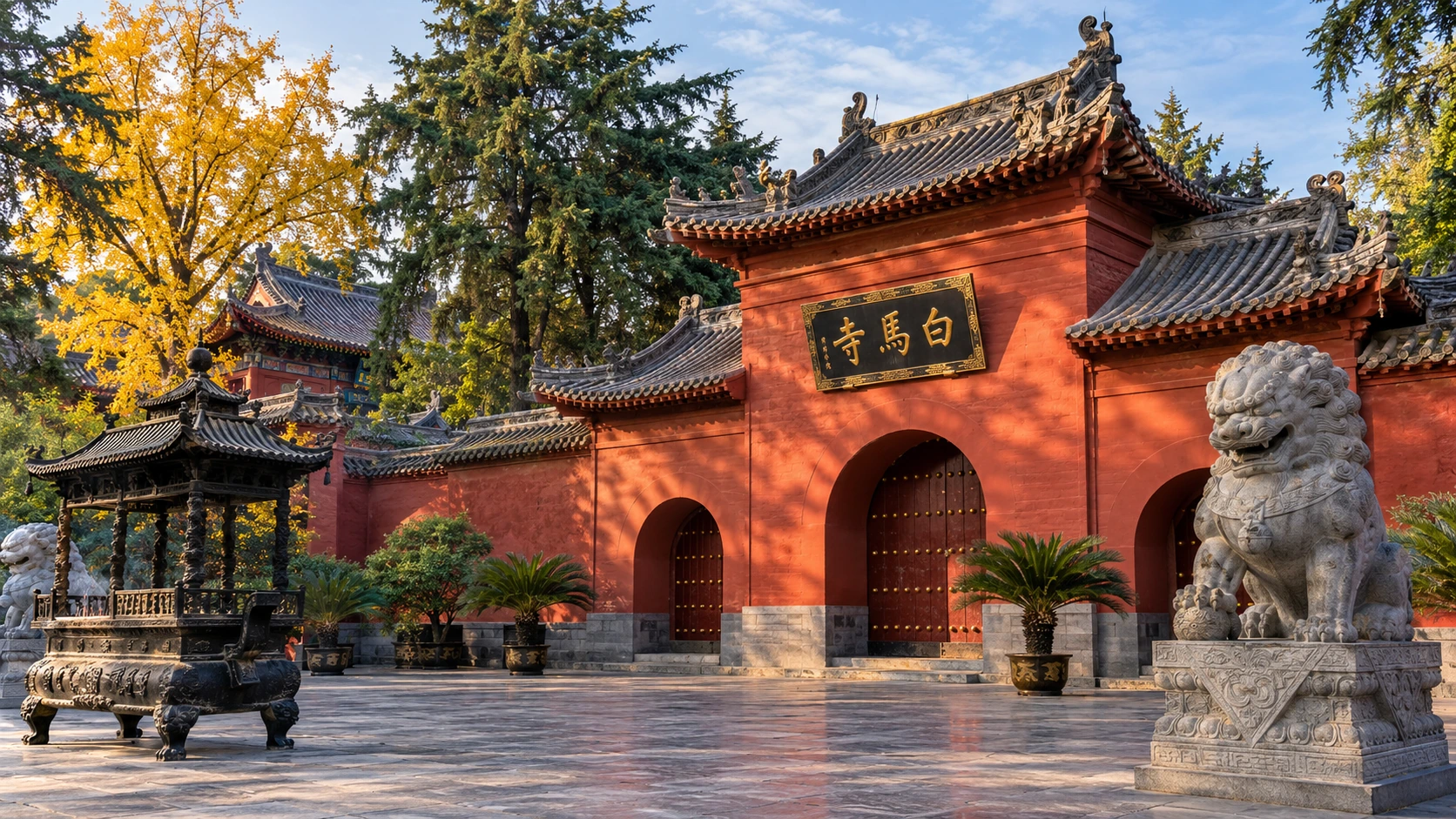
Traditionally recognized as an early landmark of Buddhism in China, White Horse Temple invites travelers into courtyards of shaded trees, halls, and incense. Its story opens a conversation about how ideas and religions moved along ancient routes into China.
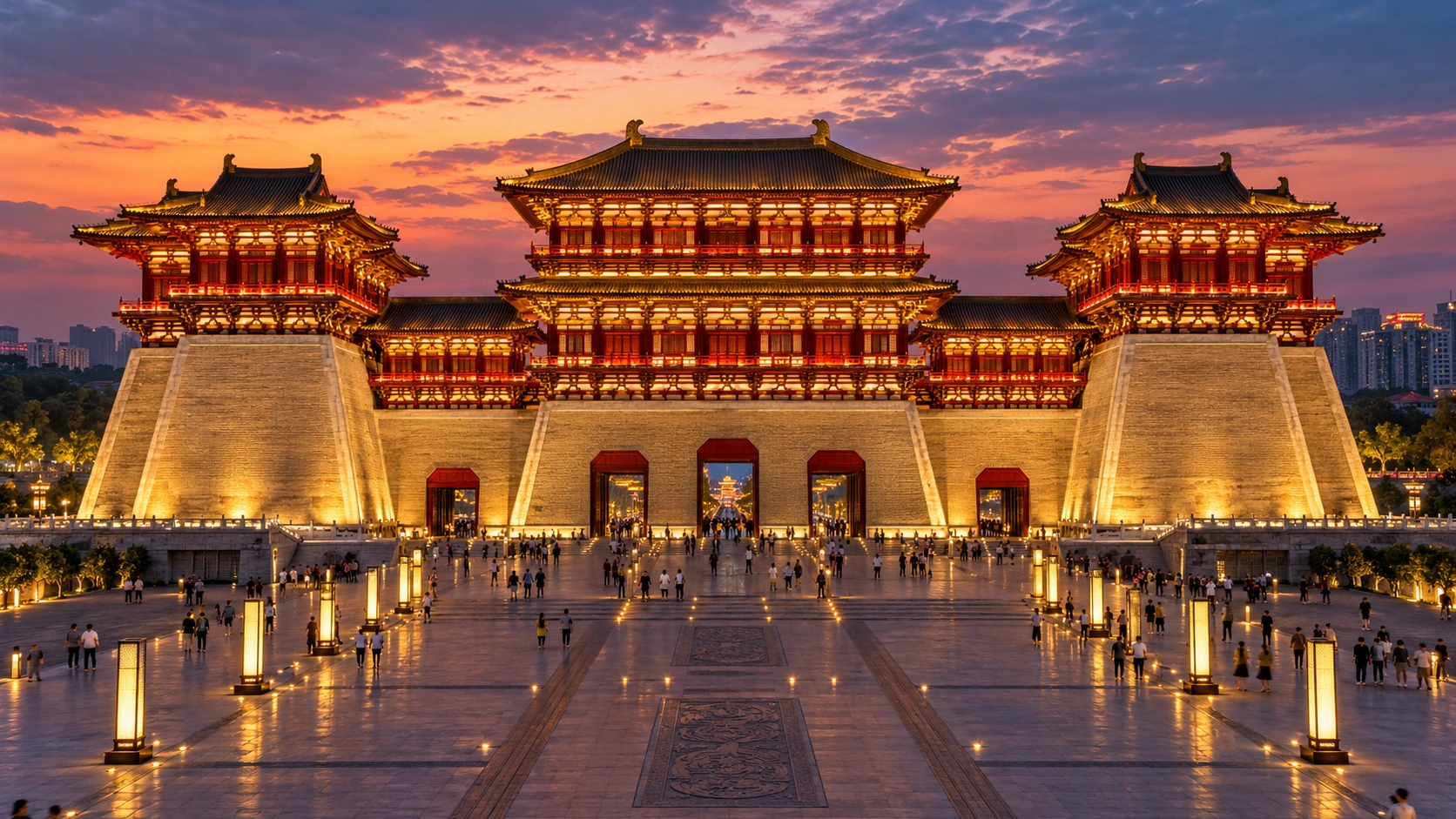
At Yingtian Gate, the scale of Luoyang’s imperial history comes into focus. The modern reconstructed landmark evokes the ceremonial entrance to the Sui–Tang palace city. Evening illumination makes the gate particularly striking, while nearby heritage areas such as Mingtang and Tiantang help tell the city’s Tang-era stories.
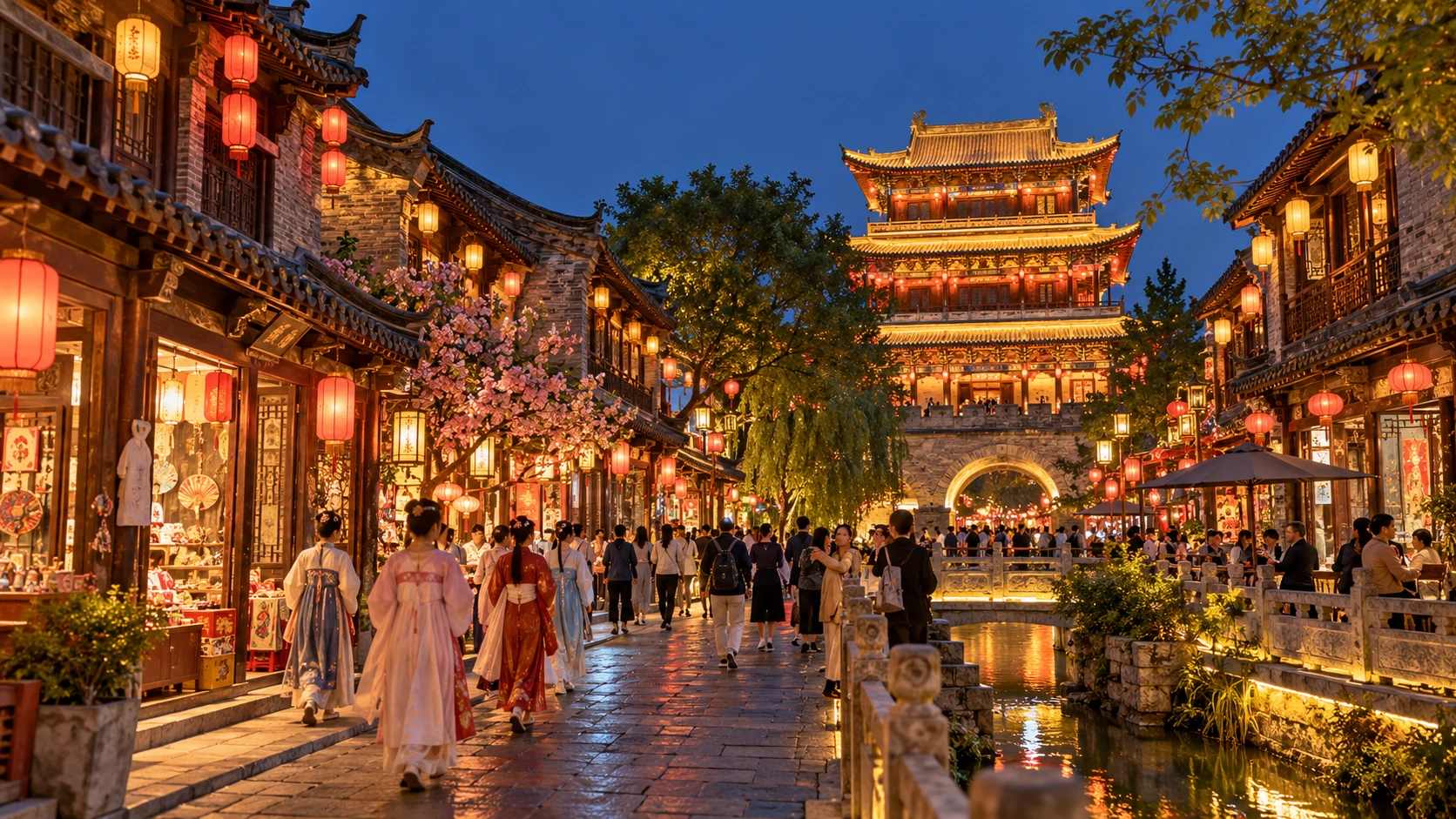
This popular historical-style district fills with lanterns, traditional-inspired shopfronts, music, and visitors in hanfu. It is a contemporary leisure area that celebrates the visual language of ancient Luoyang, rather than a wholly preserved neighborhood from one dynasty.
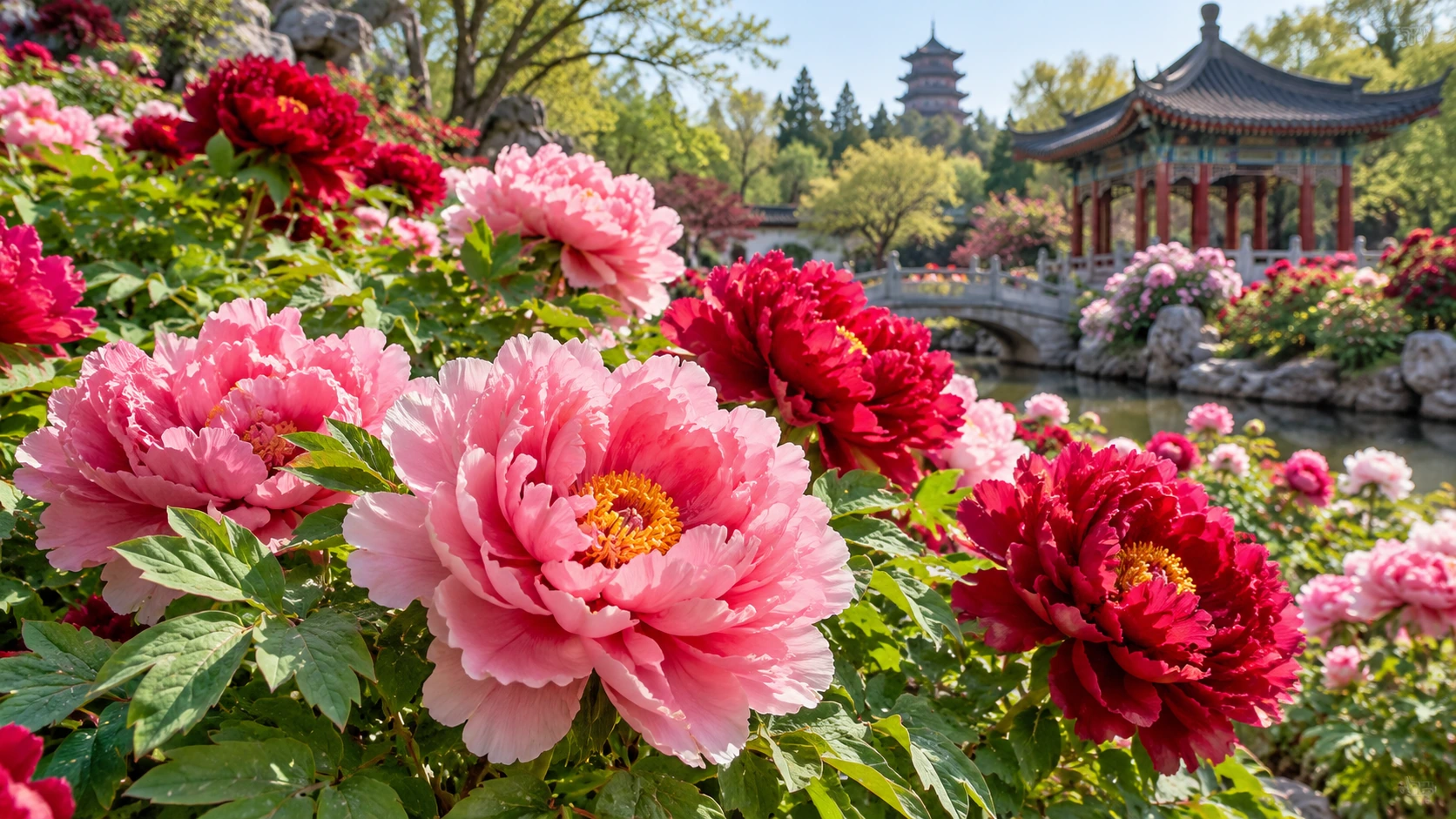
Spring brings another side of Luoyang: peonies in layers of pink, coral, crimson, and cream. They are deeply connected to the city’s identity and are best appreciated during the flowering season, which changes with weather and variety. National Peony Garden and other city gardens are known stops for flower lovers.
The best way to understand Luoyang’s food is to start with its broths. The celebrated Water Banquet is a succession of dishes, with Peony Swallow as one especially recognizable course. Beyond banquet tables, morning soups and cool snacks reveal the flavors people enjoy in everyday life.
A distinctive multi-course banquet tradition built around a sequence of soup-rich dishes. It is an experience to share, not a single bowl of food.
Featured local dish.
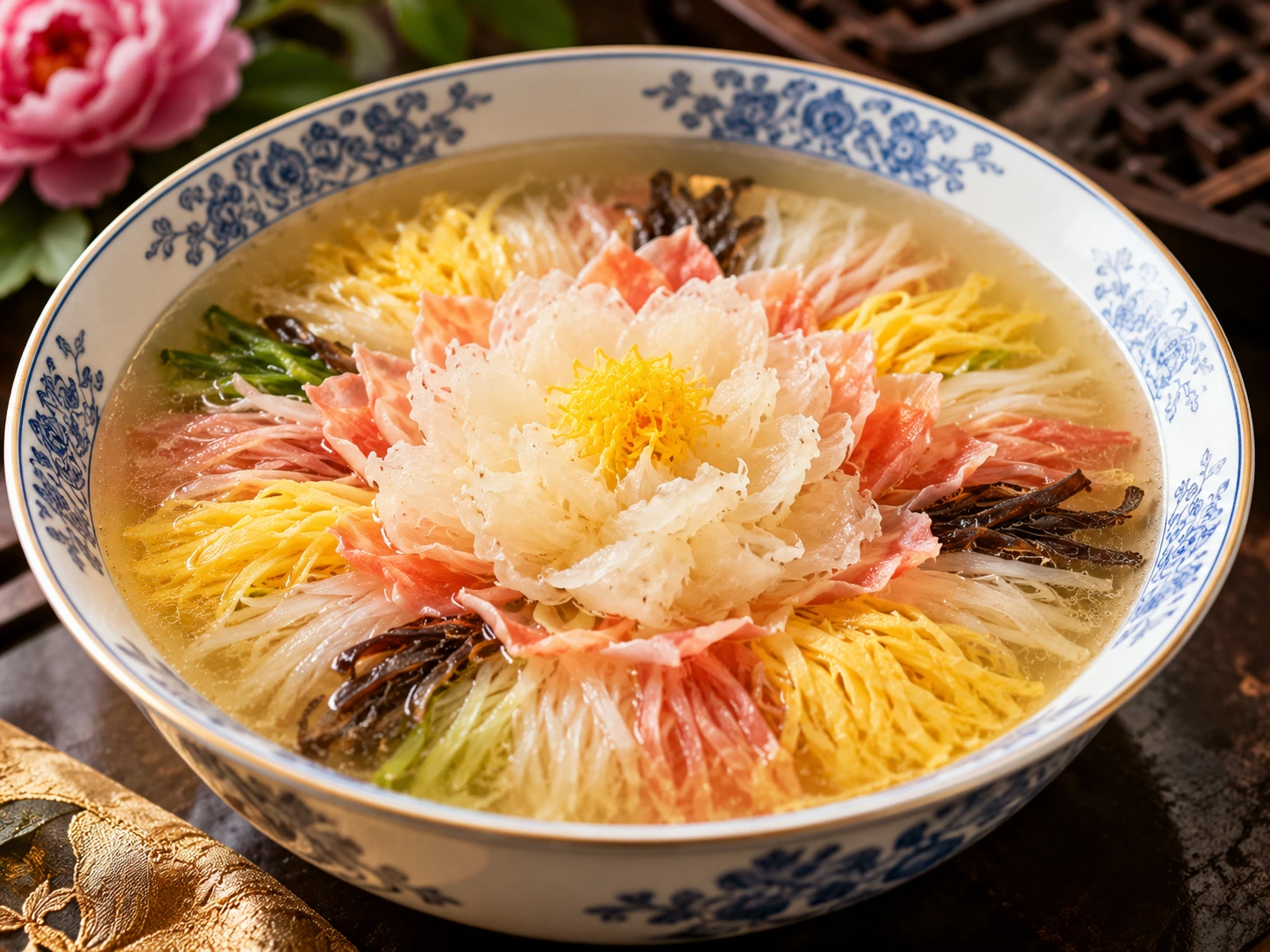
Fine shreds of white radish are transformed through delicate knife work and arranged in a flowerlike presentation in broth.
Featured local dish.
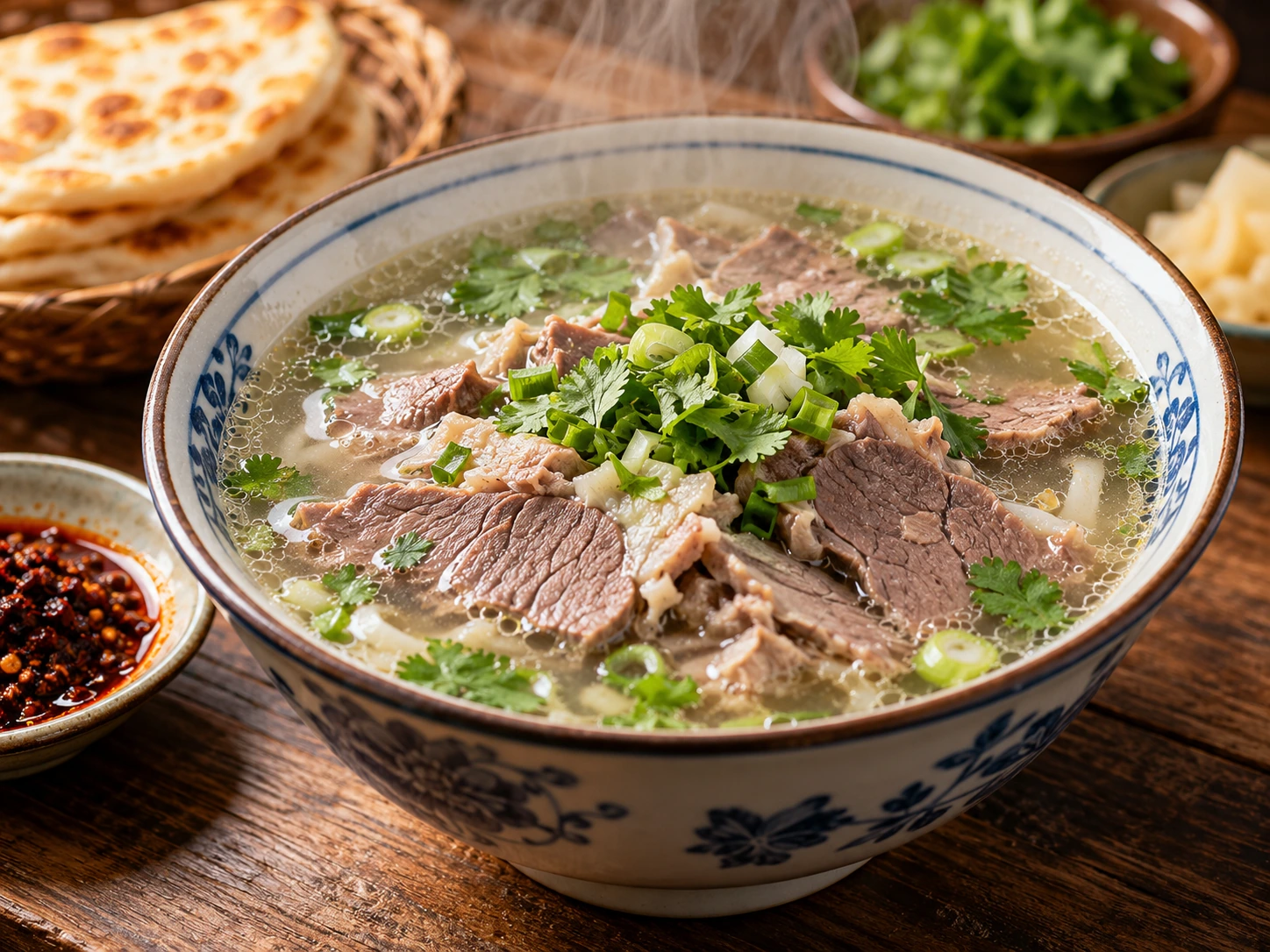
A warming local breakfast favorite: fragrant broth and tender beef, often enjoyed with flatbread.
Featured local dish.
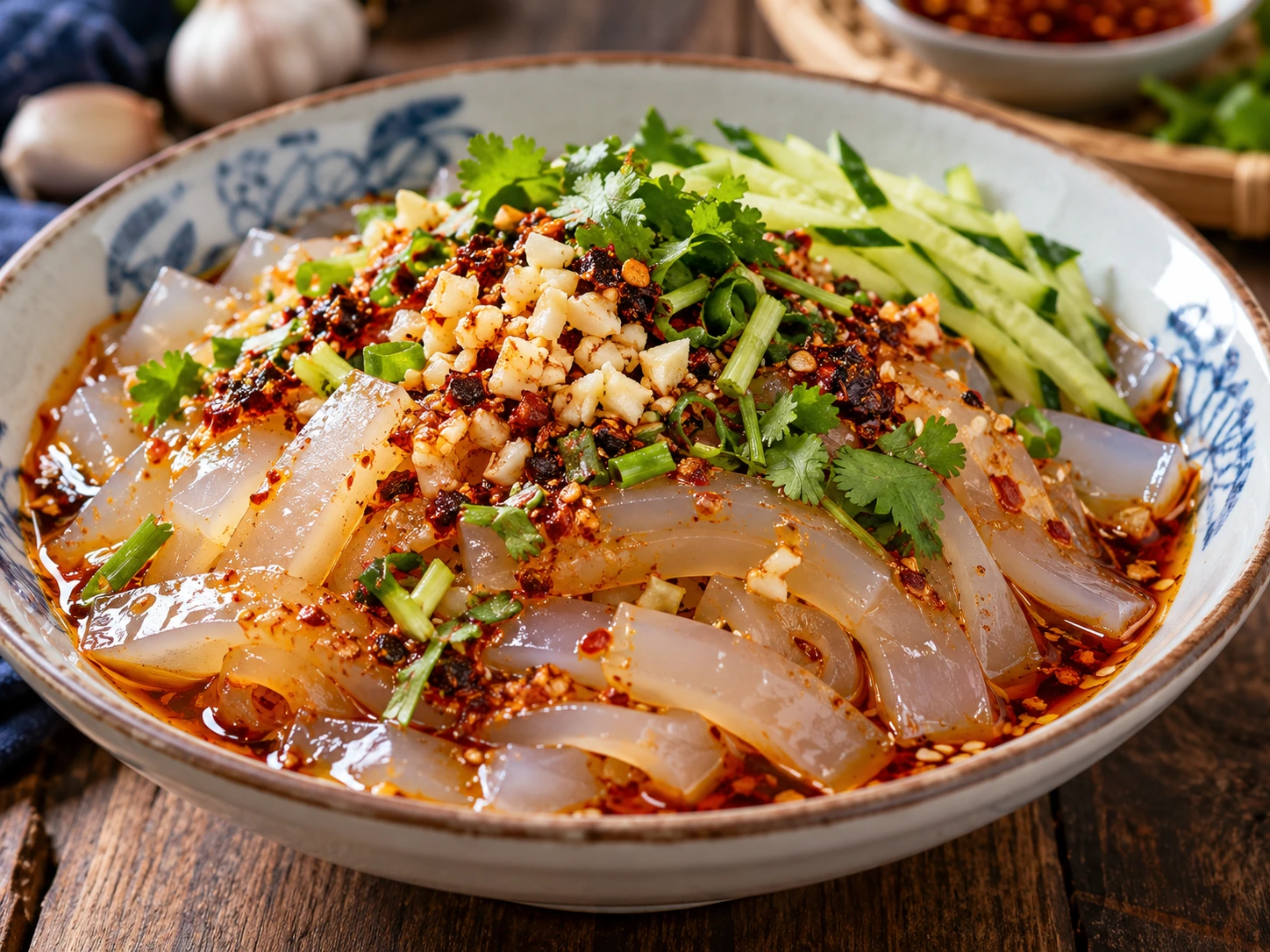
Cool, silky starch jelly served with tangy seasoning, garlic, and often chili, a refreshing contrast to the city’s hearty soups.
Featured local dish.
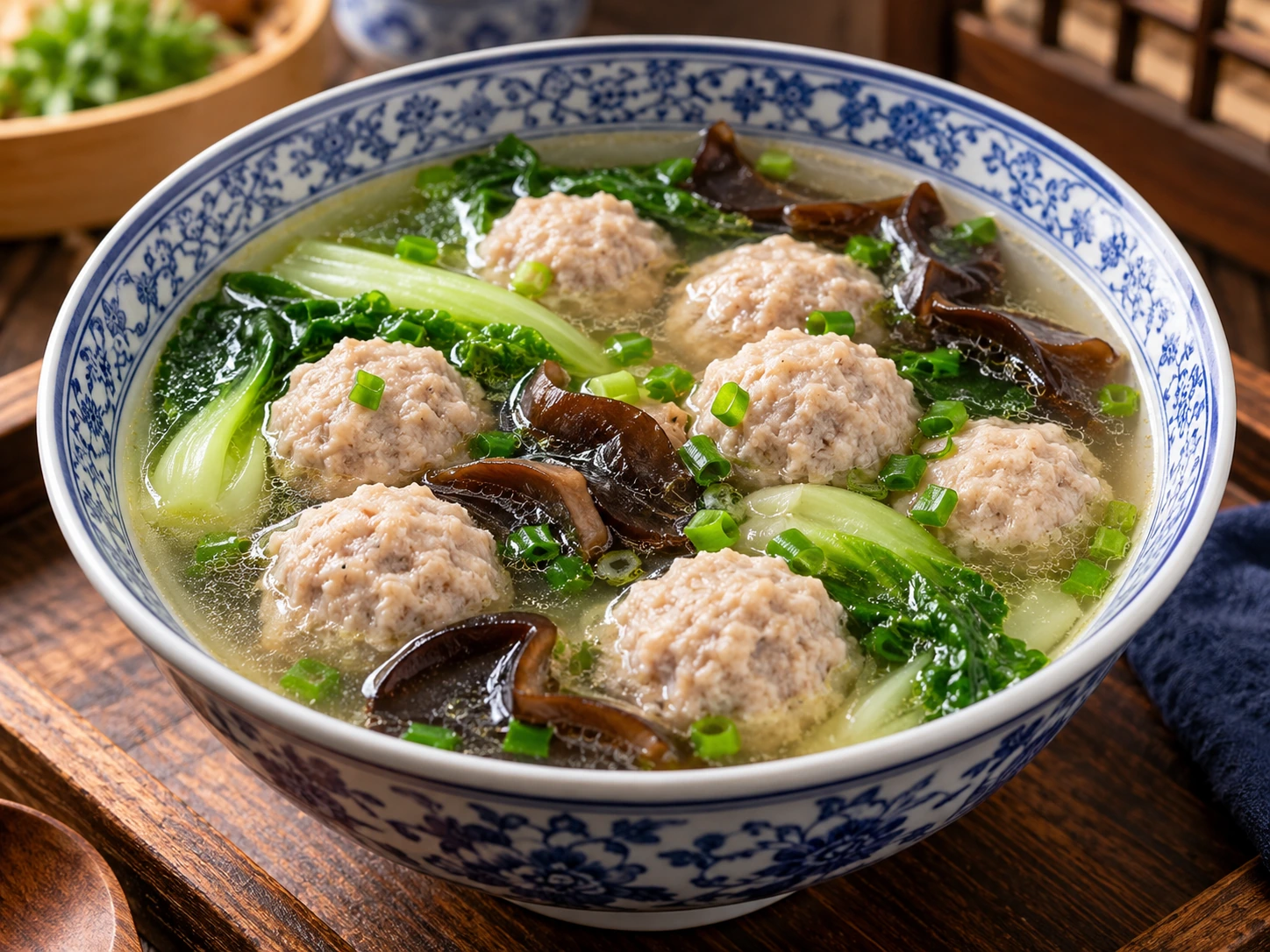
Tender meatballs cooked in a light soup, another comforting example of Luoyang’s love for broth-based dishes.
Featured local dish.
A full Luoyang Water Banquet traditionally has a formal sequence of courses. Dishes and ingredients vary by restaurant; ask about allergens and spice levels when dining with children.
Longmen Grottoes (龙门石窟) and riverside views. Reserve several hours for the rock carvings and avoid rushing between cliffs.
White Horse Temple (白马寺), then the Sui–Tang imperial heritage area and Yingtian Gate (应天门) after dark.
Peony gardens (牡丹园) during flower season, or a museum visit outside spring. Finish at Luoyi Ancient City (洛邑古城).
A flexible food and culture day. Try beef soup (牛肉汤), explore markets, and book a Water Banquet (洛阳水席) experience.
Practical note: Flowering dates, performance schedules, opening hours and ticket rules change. Check official venues before traveling.