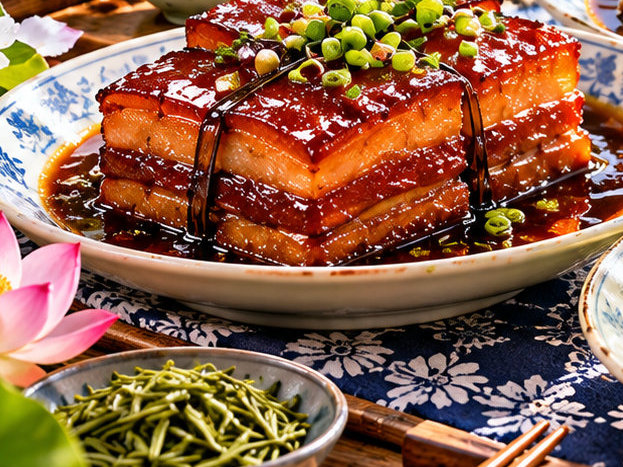
FLAVOR 01
Dongpo Pork
东坡肉
Slow-braised pork belly with glossy, savory-sweet sauce, named for the poet Su Dongpo.
 China / Hangzhou / Editorial Guide
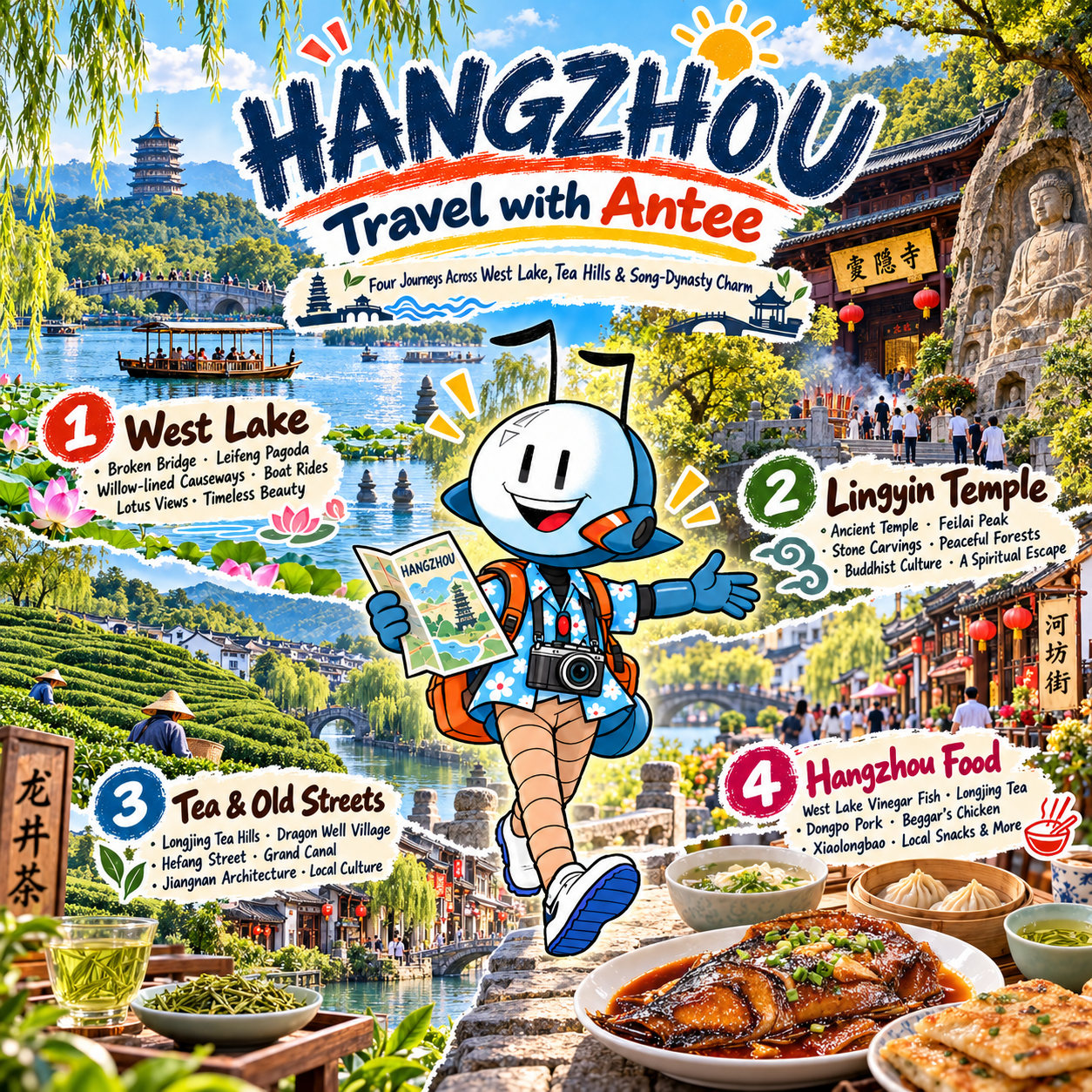
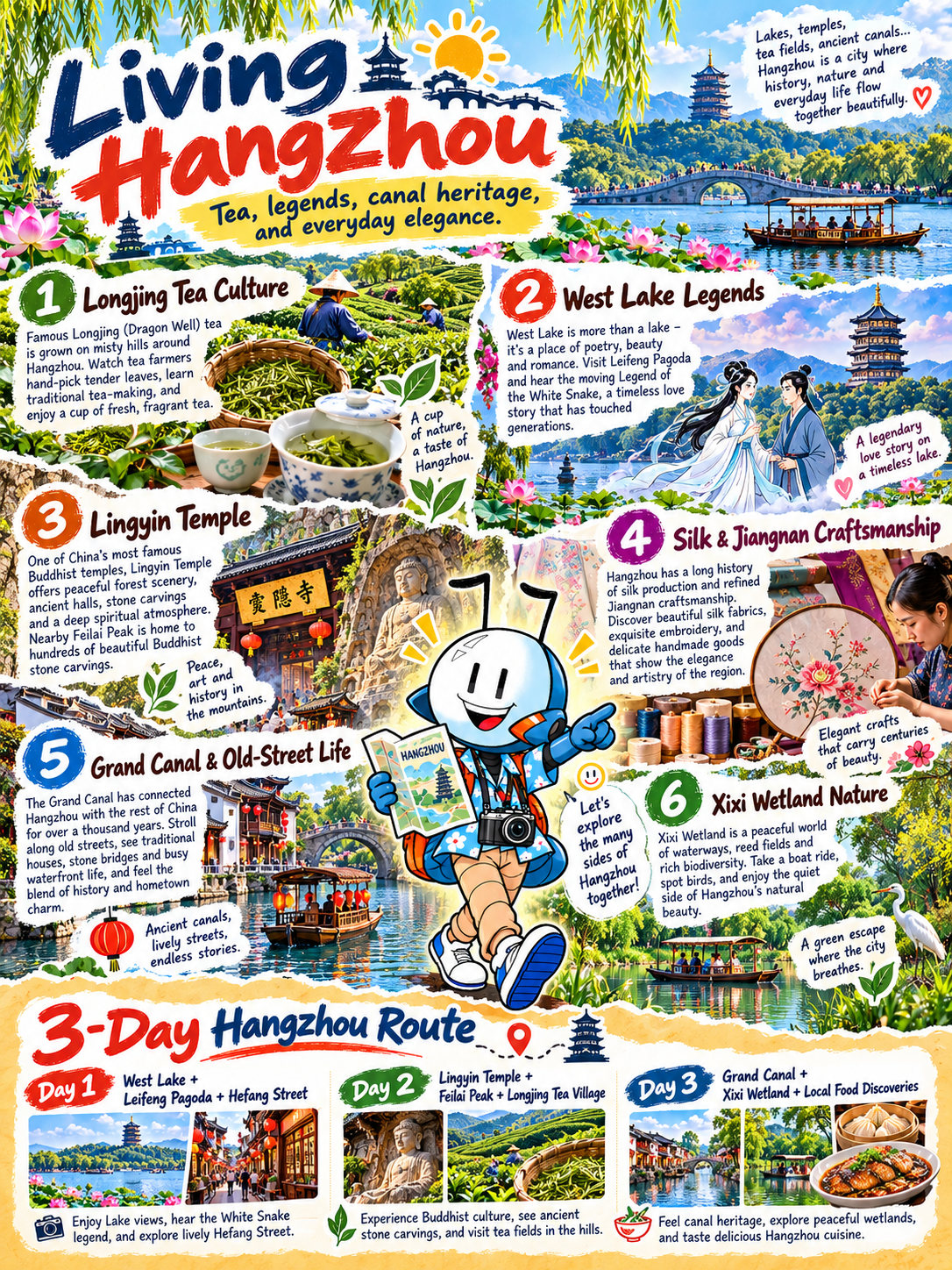
Hangzhou is one of China’s most elegant cities. It is famous for the shimmering beauty of West Lake, the fragrance of Longjing tea, the quiet stone carvings of Lingyin Temple and Feilai Peak, and the poetic charm of old streets and canals. In this illustrated feature, Antee invites readers to discover the many sides of Hangzhou: scenic beauty, living culture, family-friendly experiences, and memorable local food.
Hangzhou has inspired poets, painters, monks, tea farmers, merchants, and travelers for centuries. The city is often associated with soft willow branches, misty water, curved bridges, tea-covered hills, and calm reflections. Yet Hangzhou is not only beautiful—it is also wonderfully livable. Families can enjoy lake cruises, temple walks, canal-side strolls, tea tastings, old streets, and gentle nature escapes, all in one trip.
The soul of Hangzhou is West Lake. No visit feels complete without walking along the willow-lined causeways, watching lotus flowers float across the water in warm weather, or riding a boat to admire the shoreline from the lake itself.
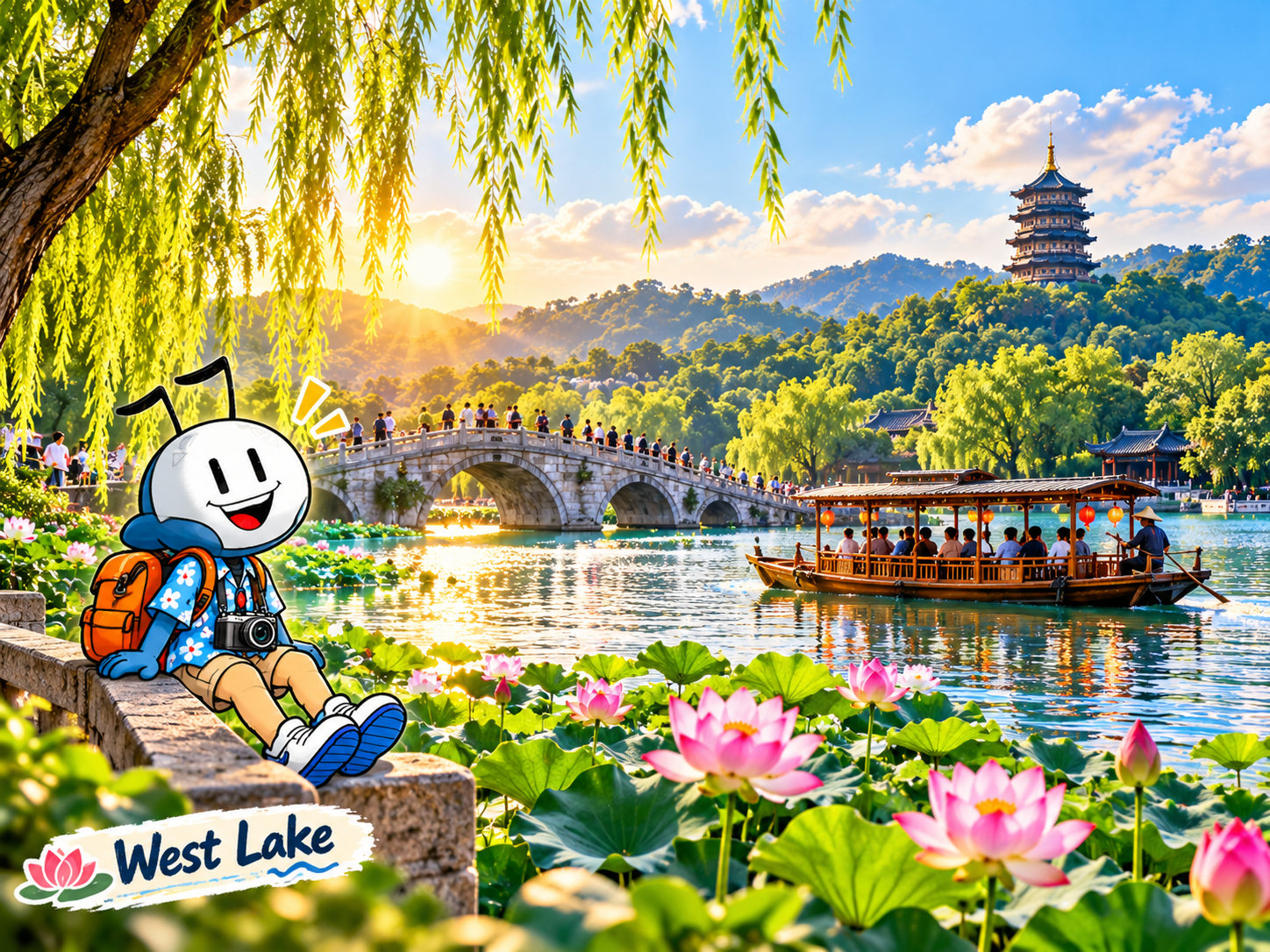
Aim for soft morning light, a willow-framed bridge, and a wooden boat gliding across the water. Lotus season brings especially vivid scenes.
West Lake works beautifully for all ages because you can mix short walks, gentle boat rides, and snack breaks along the way.
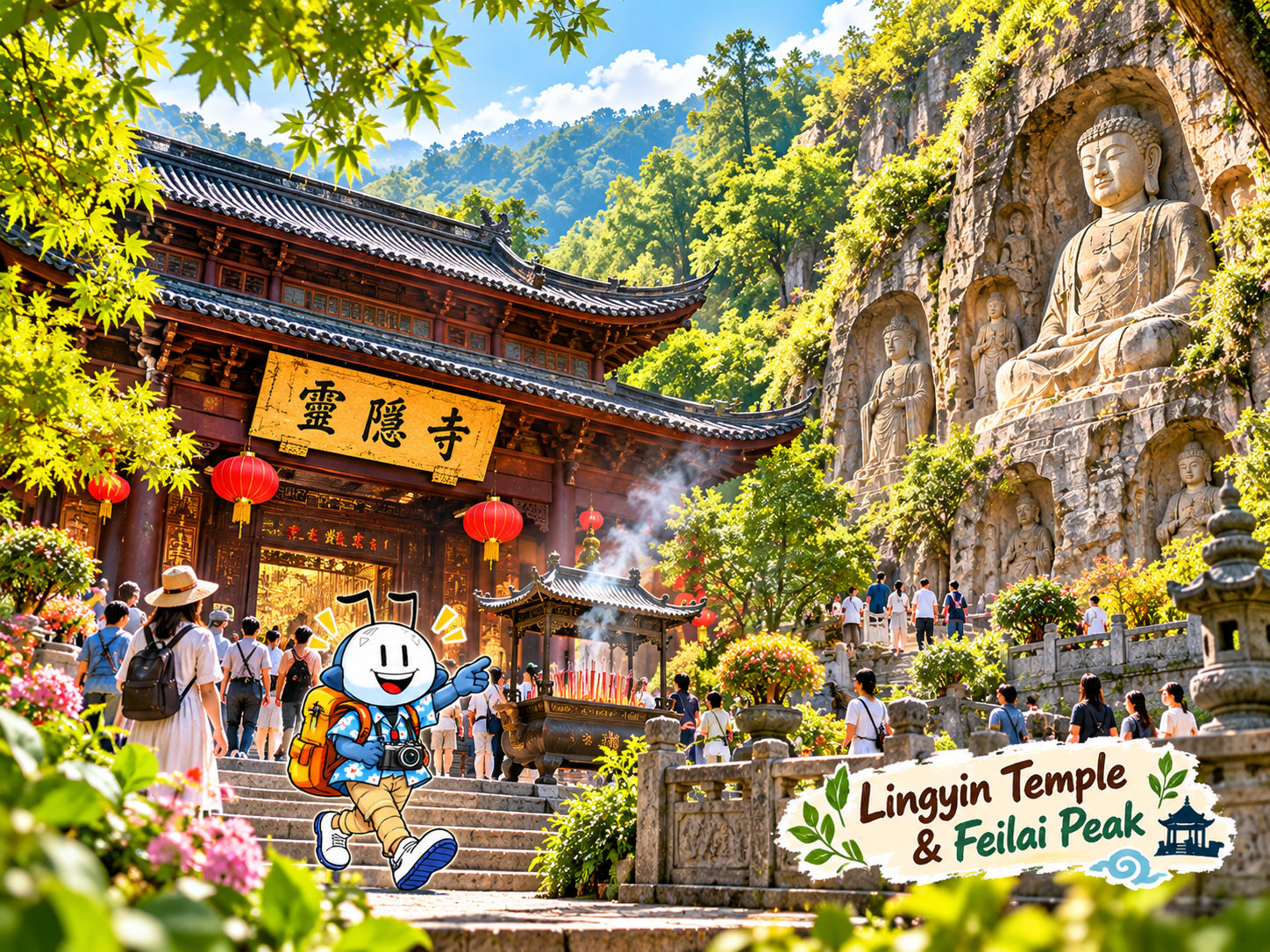
Hangzhou’s spiritual side comes alive at Lingyin Temple, one of China’s best-known Buddhist temples. The temple complex is surrounded by green hills and old trees, creating a peaceful atmosphere that feels far from the city.
Nearby Feilai Peak is famous for its remarkable stone carvings. Families can walk among carved Buddhist figures, mossy rocks, and shaded pathways while learning how religion, art, and nature came together here over centuries.
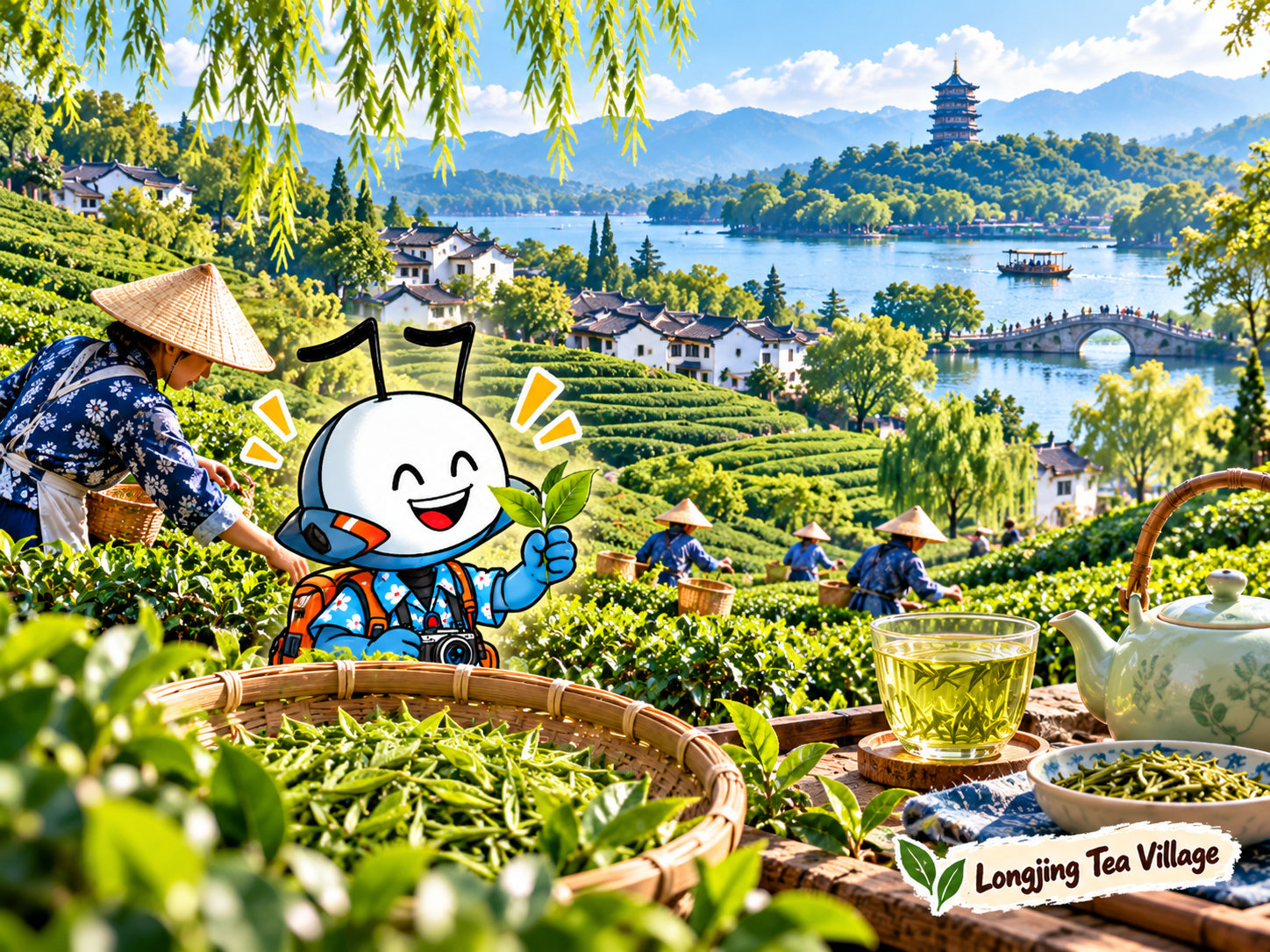
Hangzhou is inseparable from Longjing (Dragon Well) tea. In the hills around Longjing Village, rows of tea bushes create a soft green landscape. Visitors can watch tea farmers at work, learn how leaves are picked and pan-fired, and enjoy a cup of fresh tea in the place where one of China’s most famous teas is grown.
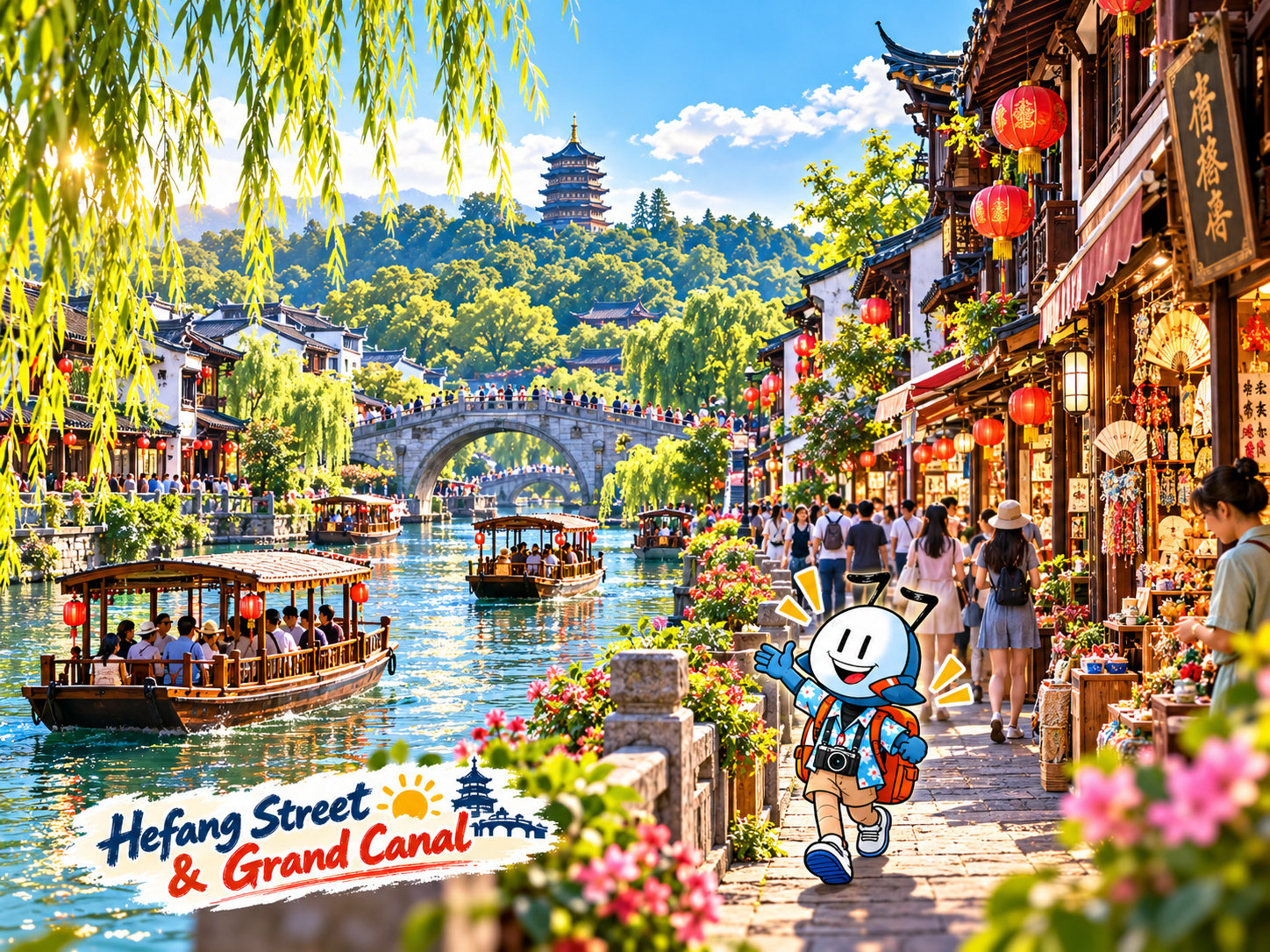
But Hangzhou’s culture is not limited to tea. The city also shines in its old neighborhoods and waterways.
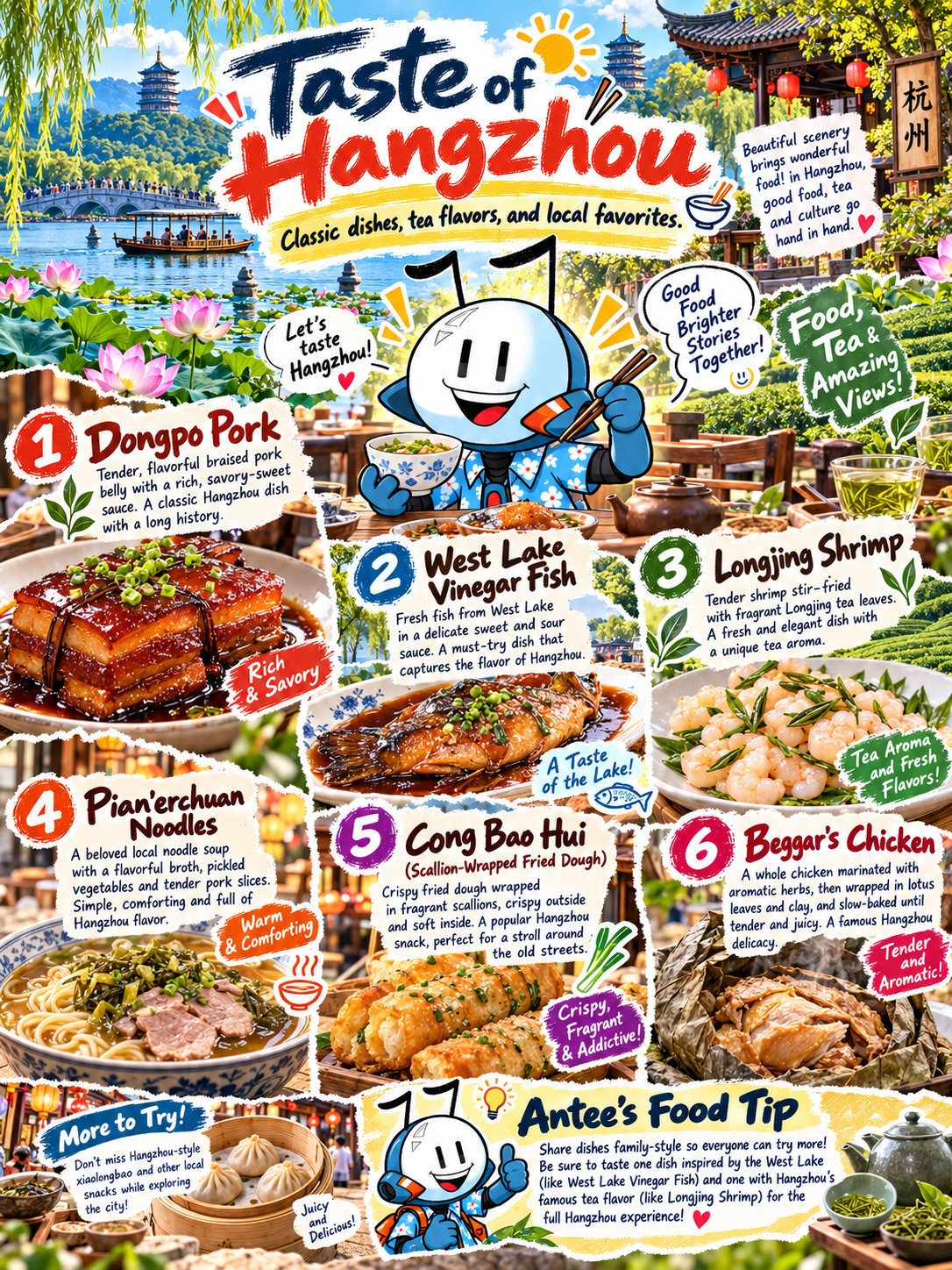
In Hangzhou, the table tells the story of the city: a glossy square of braised pork, a delicate shrimp dish fragrant with tea, a fish dressed in sweet-sour sauce, and comforting noodles for a lively lunch. Here are the flavors Antee would put on the menu.
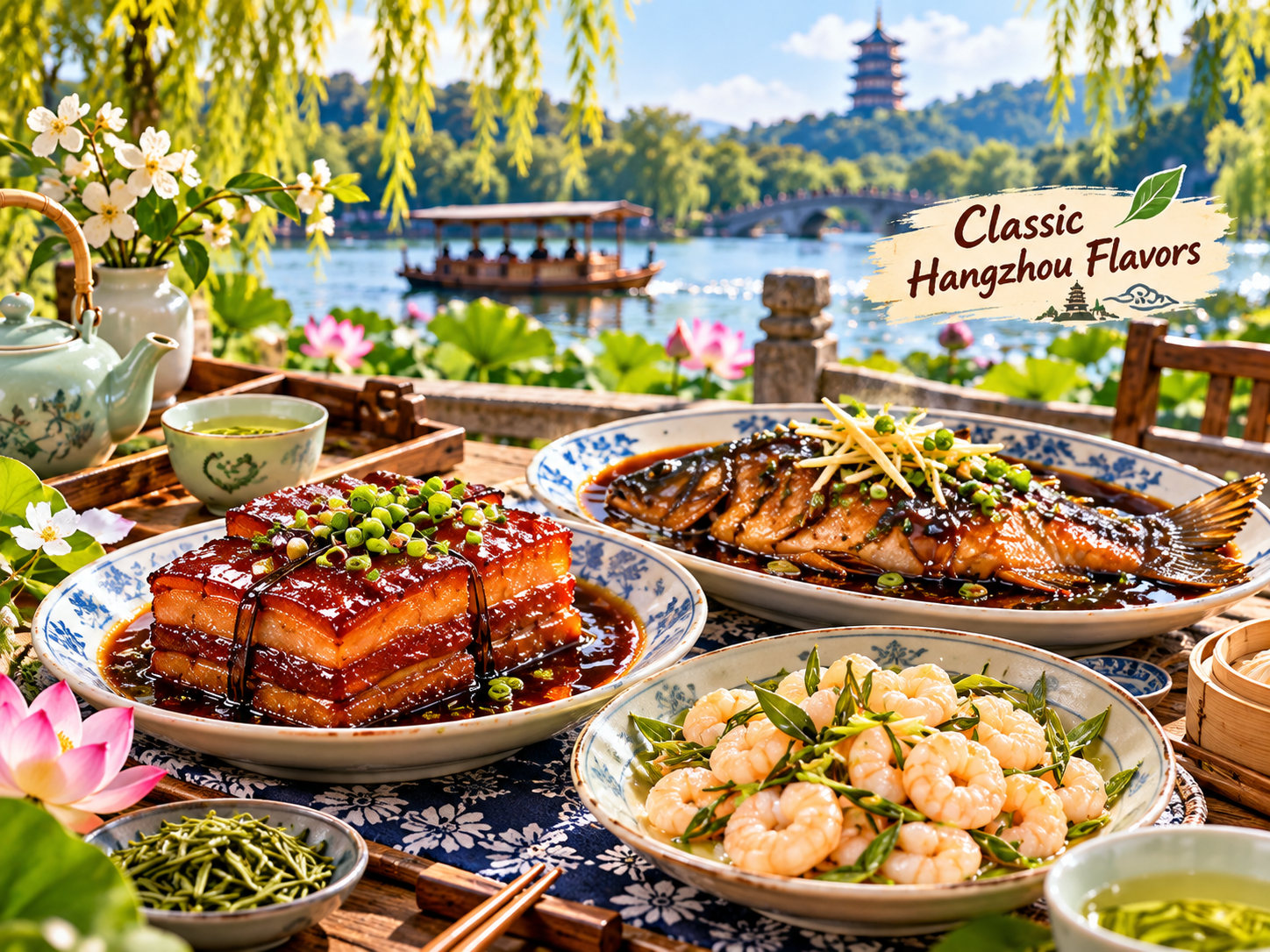
Slow-braised pork belly with glossy, savory-sweet sauce, named for the poet Su Dongpo.
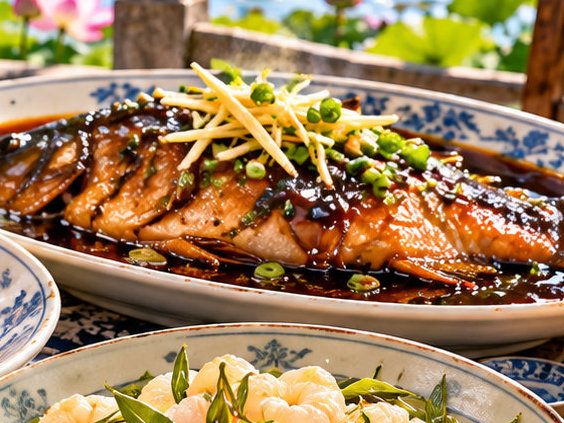
Tender fish served in a distinctive sweet-and-sour sauce, a classic of the local repertoire.
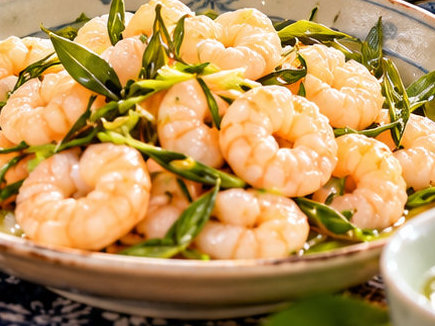
Lightly cooked shrimp scented with Longjing green tea leaves; fresh and delicate.
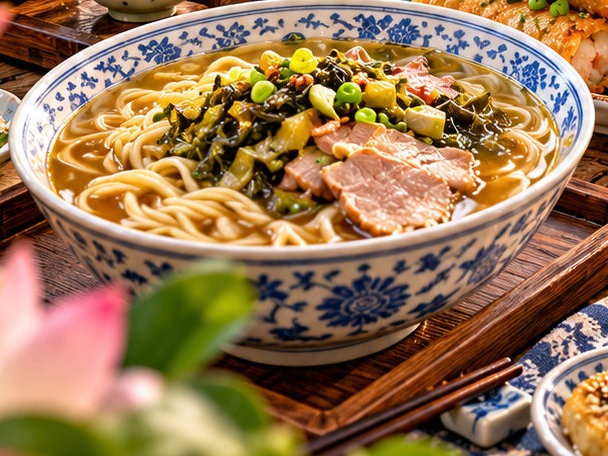
A favorite noodle soup with pork, pickled mustard greens and bamboo shoots.
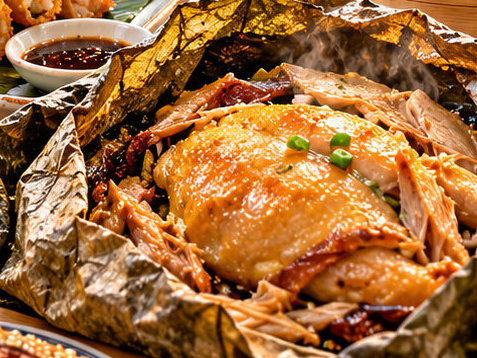
Fragrant chicken wrapped for slow cooking, traditionally associated with a clay-baked method.
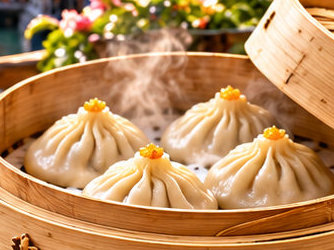
Small steamed soup dumplings that make a fun extra stop during a street-food walk.
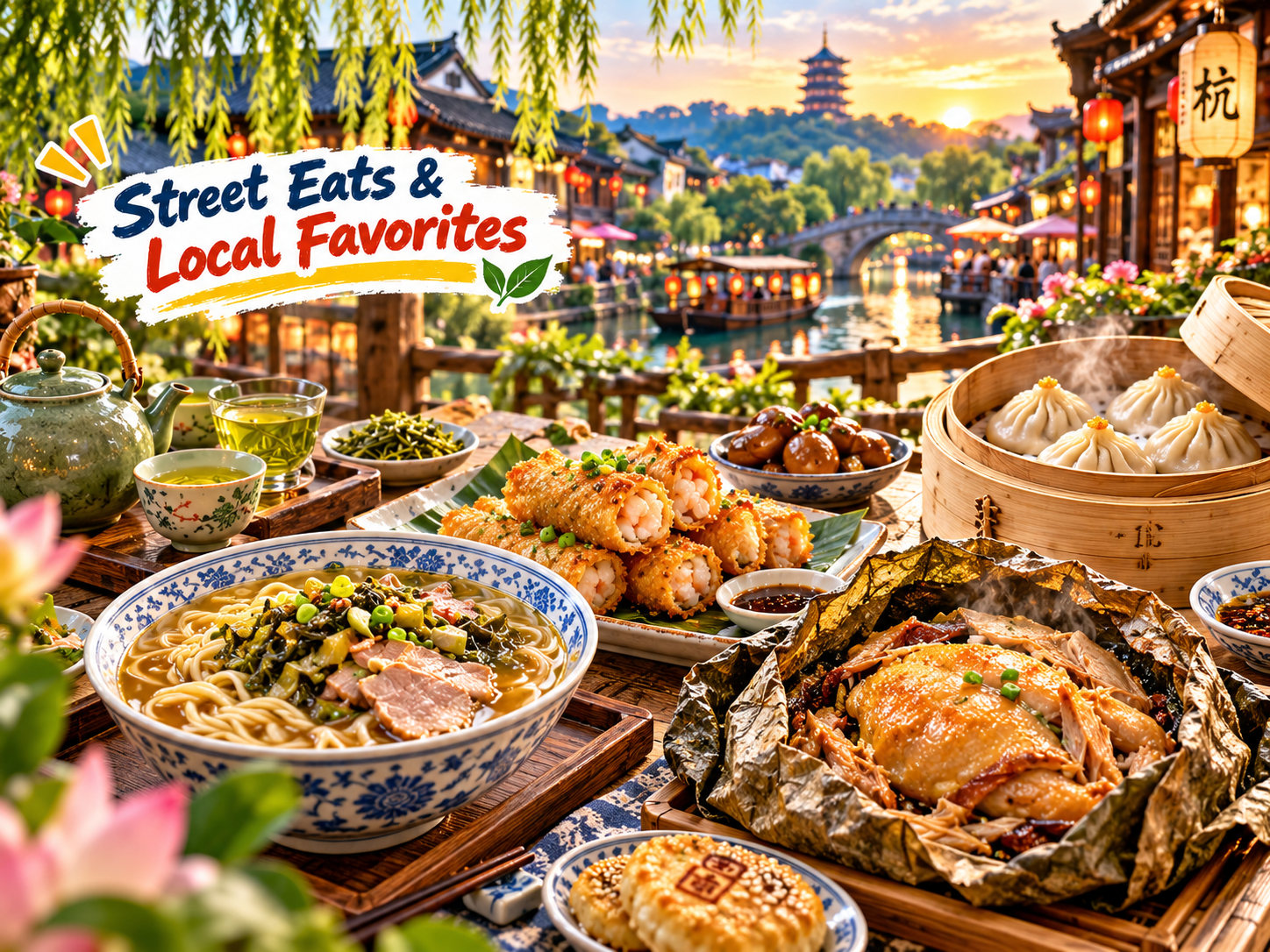
Hangzhou works wonderfully for family travel because it combines iconic scenery, short easy walks, boat rides, tea culture, history and legend, and food that is flavorful but approachable. It is a city where children can hear stories, see nature, taste local specialties, and enjoy a relaxed pace—all in one destination.
From lotus-filled lake views to temple courtyards, tea terraces, canal bridges, and bowls of comforting noodles, Hangzhou offers a graceful introduction to the beauty of Jiangnan culture. Follow Antee through this city of water, tea, and timeless charm—and discover why Hangzhou has captured hearts for centuries.
Illustration note: These images were generated for Cre8Travel editorial storytelling. They are illustrative scenes, not documentary photographs of specific locations, restaurant dishes, or current conditions. Confirm opening details and admission rules when planning a visit.